
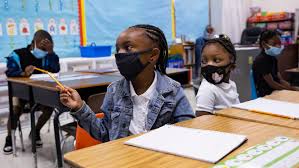
The Role of School in a Student’s Life
School is more than a place to learn facts and complete assignments. It is where students build knowledge, develop practical skills, discover their interests, and learn how to take part in a community. For many children and teenagers, school is an important part of daily life and a foundation for future opportunities.
Learning Inside and Outside the Classroom
In the classroom, students study subjects such as reading, writing, mathematics, science, and history. These subjects help them understand the world and give them tools to solve problems. Lessons also encourage students to ask questions, consider different viewpoints, and explain their ideas clearly.
Learning happens beyond textbooks, too. Group projects can teach cooperation, while presentations help students practice public speaking. Sports, clubs, music, and art give students chances to explore their interests and work toward shared goals.
Building Relationships and Confidence
School brings together students with different experiences and perspectives. Through friendships and interactions with teachers and classmates, students can learn to listen, communicate, and treat others with respect. Supportive relationships can also help students feel connected and more confident.
Challenges are part of the experience. A difficult assignment, a disappointing grade, or a disagreement with a classmate can be an opportunity to practice persistence and problem-solving. With guidance from teachers, families, and peers, students can learn from setbacks and keep moving forward.
Teachers and a Supportive Environment
Teachers play a central role in education. They introduce new ideas, help students strengthen their skills, and provide feedback along the way. A welcoming school environment also matters. When students feel safe, respected, and included, they are better able to participate and learn.
Families and communities contribute to students’ success as well. Communication between schools and families can help adults understand a student’s needs and celebrate progress. Libraries, community programs, and other local resources can provide additional opportunities for learning.
Preparing for the Future
School can help students prepare for many possible paths, including college, technical training, the workforce, and community life. Along with academic knowledge, students benefit from skills such as time management, teamwork, adaptability, and responsible decision-making.
Every student’s experience is different, and learning does not look exactly the same for everyone. A strong school experience recognizes individual strengths, offers support when needed, and encourages curiosity. By helping students grow both academically and personally, schools can open doors to a brighter future.
7 Essential Tips for a Successful School Year
- Pack your backpack the night before.
- Write down homework assignments.
- Ask questions when something is unclear.
- Review your notes a little each day.
- Keep your desk and materials organized.
- Get enough sleep before school.
- Be kind and respectful to classmates.
Pack your backpack the night before.
Packing your backpack the night before school can make mornings calmer and help you avoid forgetting important items. Check your schedule, gather the books and supplies you’ll need, and add completed homework, lunch, and anything else required for the day. A quick check before bed can save time in the morning and help you start the school day feeling prepared.
Write down homework assignments.
Write down homework assignments as soon as they’re given, including the due date and any important instructions. Use a planner, notebook, or digital calendar—whichever you’ll check regularly. Keeping assignments in one place makes it easier to plan your time, remember what needs to be done, and avoid last-minute surprises.
Ask questions when something is unclear.
When something in class is unclear, ask a question instead of guessing or falling behind. Speaking up helps you understand the material, and your question may help classmates who are wondering the same thing. You can ask your teacher during class, after the lesson, or send a message if that works better. Being curious and asking for help is a smart part of learning—not something to be embarrassed about.
Review your notes a little each day.
Reviewing your notes a little each day can make schoolwork easier and help you remember what you learn. Spend a few minutes after class rereading key ideas, filling in missing details, or writing a brief summary in your own words. Short, regular review sessions can be more manageable than cramming before a test, and they can help you spot questions to ask your teacher.
Keep your desk and materials organized.
Keeping your desk and school materials organized can make it easier to focus, find what you need, and complete assignments on time. Put frequently used supplies within reach, store papers in labeled folders, and take a few minutes each day to clear away clutter. A simple routine can save time and help you feel more prepared for class.
Get enough sleep before school.
Getting enough sleep before school can help you feel more alert, focused, and ready to learn. A good night’s rest may also make it easier to remember information, manage stress, and participate in class. Try to follow a consistent bedtime routine, put away screens before bed, and allow enough time for sleep so you can start the school day feeling refreshed.
Be kind and respectful to classmates.
Being kind and respectful to classmates helps make school a welcoming place for everyone. Listen when others are speaking, include people in activities, and treat different opinions with understanding. Small actions—such as offering help, sharing materials, or choosing encouraging words—can strengthen friendships and make it easier for everyone to learn and feel they belong.