
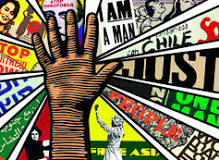
Justice and Social Justice: Building a Fairer Society
Justice is the principle that people should be treated fairly and that rights, responsibilities, and opportunities should be respected. It shapes how communities create laws, resolve disputes, and hold people and institutions accountable. Social justice applies these principles to society as a whole, asking whether people have a fair chance to participate, thrive, and live with dignity.
What Justice Means
Justice can take many forms. Legal justice concerns fair laws, impartial courts, and equal protection under the law. Procedural justice focuses on whether decisions are made through consistent, transparent, and respectful processes. Distributive justice considers how benefits and burdens—such as education, health care, income, and public services—are shared.
These ideas are connected. A process may follow the rules yet still produce unequal outcomes, while a policy with good intentions may be unfair if people affected by it have no meaningful voice. A just society pays attention to both the decisions being made and the ways they are made.
Understanding Social Justice
Social justice is the effort to address unfair barriers and expand meaningful opportunities. It recognizes that people’s circumstances can be shaped by factors such as income, race, disability, gender, age, geography, and access to education or health care. These factors may influence how safely people live, how well they can participate in public life, and whether they can pursue their goals.
Promoting social justice does not mean that everyone must have identical experiences or outcomes. It means working toward fair conditions: protecting equal rights, reducing unjust obstacles, and ensuring that people are not excluded from opportunity because of circumstances beyond their control.
Why Justice Matters
Fairness strengthens trust. When people believe that rules apply equally and that their concerns will be heard, they are more likely to engage with their communities and public institutions. In contrast, unequal treatment can deepen hardship, weaken social connections, and make it harder for people to work together.
Justice also has practical consequences. Access to quality education, safe housing, health care, and fair employment can help people build stable lives. When these resources are out of reach for some groups, the effects can extend across generations and limit the well-being of entire communities.
Putting Principles into Practice
Social justice requires more than good intentions. It calls for careful attention to evidence, listening to people affected by decisions, and evaluating whether policies work as intended. Governments, organizations, businesses, and individuals can contribute by:
- Applying laws and rules consistently and protecting due process.
- Making public services accessible and responsive to community needs.
- Identifying and removing unnecessary barriers to education, employment, and civic participation.
- Creating safe ways for people to report discrimination or unfair treatment.
- Using reliable information to assess outcomes and improve policies.
- Encouraging respectful dialogue across differences.
Individuals can also support justice in everyday life by treating others with respect, challenging unfairness when it is safe to do so, learning from people whose experiences differ from their own, and participating in community decisions. Lasting progress often grows from both broad policy changes and consistent local effort.
A Shared Responsibility
Justice is not a finished condition that can be achieved once and set aside. Laws, institutions, and social conditions change, so fairness must be continually examined and renewed. This work can involve disagreement about priorities and solutions. Honest discussion, reliable evidence, and respect for fundamental rights can help communities navigate those disagreements constructively.
A commitment to justice begins with a simple but demanding idea: every person deserves dignity, fair treatment, and a genuine opportunity to contribute. Pursuing social justice means turning that idea into practice—in public systems, workplaces, schools, neighborhoods, and everyday relationships.
Justice and Social Justice: 9 Frequently Asked Questions
- What are the four pillars of social justice?
- What are the 4 types of social justice?
- What are the 3 types of social justice?
- What is the difference between social justice and legal justice?
- What are the four types of justice?
- What is social justice in short answer?
- What is an example of justice?
- What is the difference between social justice and equality?
- What is the difference between social justice and social injustice?
What are the four pillars of social justice?
The four commonly cited pillars of social justice are equity, access, participation, and rights. Equity means recognizing different needs and addressing unfair barriers so people have a fair chance to thrive; access means ensuring people can obtain essential opportunities and resources, such as education, health care, and employment; participation means giving people a meaningful voice in decisions that affect their lives; and rights means protecting everyone’s dignity, freedoms, and equal treatment under the law. Together, these pillars offer a framework for creating fairer, more inclusive communities.
What are the 4 types of social justice?
The four commonly discussed types of social justice are distributive, procedural, retributive, and restorative justice. Distributive justice concerns how resources, opportunities, and responsibilities are shared; procedural justice focuses on whether decisions and processes are fair and transparent; retributive justice addresses appropriate consequences when laws or rights are violated; and restorative justice emphasizes repairing harm by supporting accountability, dialogue, and healing. These categories are one useful framework, though definitions and groupings can vary.
What are the 3 types of social justice?
A commonly used framework identifies three types of social justice: distributive, procedural, and interactional. Distributive justice concerns how resources, opportunities, and responsibilities are shared; procedural justice focuses on whether decisions are made through fair, transparent processes; and interactional justice is about treating people with dignity, respect, and honesty. Together, these principles help assess not only what outcomes people receive, but also how decisions are made and how people are treated.
What is the difference between social justice and legal justice?
Legal justice focuses on how laws are created, applied, and enforced, including fair trials, equal treatment under the law, and protection of people’s legal rights. Social justice is broader: it considers whether people have fair access to opportunities, resources, and participation in society, and whether systemic barriers contribute to unequal treatment or outcomes. The two are closely connected—fair laws and legal processes are essential to social justice, while social justice can inform efforts to improve laws and institutions.
What are the four types of justice?
The four commonly recognized types of justice are distributive, procedural, restorative, and retributive justice. Distributive justice concerns how resources, opportunities, and responsibilities are shared; procedural justice focuses on whether decisions and processes are fair and impartial; restorative justice seeks to repair harm by addressing the needs of those affected and encouraging accountability; and retributive justice concerns proportionate consequences for wrongdoing. These categories can overlap, and different fields may use other frameworks, but together they offer useful ways to understand fairness in society.
What is social justice in short answer?
Social justice means ensuring that everyone is treated fairly, has equal rights, and can access meaningful opportunities and resources, while addressing barriers that disadvantage particular people or communities.
What is an example of justice?
An example of justice is a fair and impartial court hearing in which everyone has the opportunity to present evidence, the rules apply equally to all parties, and the decision is based on the facts and the law. Social justice can also be seen when a community removes barriers that prevent people from accessing essential services, such as making public buildings accessible to people with disabilities. Both examples reflect fairness, respect for people’s rights, and accountability.
What is the difference between social justice and equality?
Social justice and equality are related, but they are not the same. Equality means giving everyone the same rights, opportunities, or resources, while social justice focuses on whether people can access those rights and opportunities fairly in light of different barriers and circumstances. For example, providing the same learning materials to every student is equal treatment; offering accessible formats or additional support to students who need them can help make participation fairer. Social justice aims to address systemic obstacles while respecting everyone’s equal dignity and rights.
What is the difference between social justice and social injustice?
Social justice means working to ensure that people are treated fairly, have equal rights, and can access meaningful opportunities and resources. Social injustice is the unfair treatment or systemic barriers that prevent individuals or groups from enjoying those rights and opportunities, often because of factors such as race, income, disability, gender, or background. In short, social justice describes the goal of fairness and inclusion, while social injustice describes the inequities and discrimination that stand in its way.