
How to Choose an X-Ray Tech School
Becoming an X-ray technician—commonly called a radiologic technologist—typically begins with completing an accredited educational program and meeting the requirements for certification or state licensure. The right X-ray tech school can help you build the clinical skills, technical knowledge, and patient-care experience needed to enter this healthcare field.
What You’ll Learn
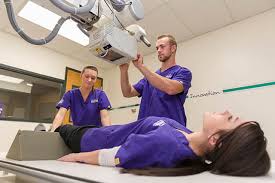
Radiologic technology programs combine classroom instruction with hands-on clinical training. Coursework often covers anatomy, imaging procedures, radiation safety, patient positioning, medical terminology, and ethics. In clinical placements, students practice working with patients and imaging equipment under supervision.
Training also emphasizes protecting patients and healthcare workers from unnecessary radiation exposure. Students learn to follow safety procedures, communicate clearly, and help patients feel informed and comfortable during imaging exams.
Common Program Options
Many aspiring radiologic technologists pursue an associate degree, which generally includes both academic courses and supervised clinical experience. Some schools offer certificate or bachelor’s degree options, depending on a student’s prior education and career goals. Program length and requirements vary, so review each school’s curriculum before applying.
When comparing programs, check whether they are accredited by an organization recognized for radiologic technology education. Accreditation can be important for eligibility for professional certification and may affect whether credits transfer to another institution. Confirm current requirements with the certifying organization and the state where you plan to work.
Admissions and Prerequisites
Admission requirements vary by school. Applicants may need a high school diploma or equivalent, prerequisite courses in subjects such as biology or math, and a minimum GPA. Some programs also require entrance exams, interviews, background checks, immunization records, or drug screening before students begin clinical rotations.
Because clinical placements can be competitive, contact admissions offices early. Ask about application deadlines, prerequisite courses, selection criteria, and whether there are separate applications for the college and the radiologic technology program.
How to Compare X-Ray Tech Schools
Look beyond the program title when evaluating schools. Consider:
- Accreditation: Verify the program’s status and understand how it relates to certification eligibility.
- Clinical training: Ask where placements take place, how they are assigned, and what supervision students receive.
- Certification preparation: Find out how the curriculum supports preparation for relevant certification exams.
- Cost and financial aid: Compare tuition, fees, books, uniforms, equipment, and transportation costs.
- Schedule and location: Consider class times, clinical hours, commute, and whether the program fits your responsibilities.
- Student support: Ask about tutoring, advising, career services, and support for students during clinical training.
Certification and State Requirements
After completing an eligible program, graduates may pursue professional certification. Requirements can include education, an examination, and other eligibility criteria. Some states also require a license to work in medical imaging, and rules differ by location. Before enrolling, check the current certification and licensing requirements for the area where you intend to practice.
Career Paths After Graduation
Radiologic technologists may work in hospitals, outpatient imaging centers, clinics, and other healthcare settings. With additional education, training, and any required credentials, some professionals pursue specialized areas of medical imaging or move into roles such as education, management, or equipment applications.
The work involves more than operating imaging equipment. Technologists interact with patients, follow detailed safety procedures, maintain accurate records, and coordinate with other healthcare professionals. Strong communication skills, attention to detail, and compassion are valuable in the role.
Getting Started
Start by identifying accredited programs within a practical commuting distance, then compare admission requirements, clinical opportunities, costs, and completion outcomes. Speak with program advisors and, if possible, current students or working radiologic technologists. Careful research can help you choose an X-ray tech school that matches your goals and prepares you for the next steps in a radiologic technology career.
6 Tips for Choosing and Succeeding in X-Ray Tech School
- Check that the program is accredited.
- Compare tuition, fees, and financial aid.
- Ask about clinical training locations.
- Review prerequisites and admission deadlines.
- Build strong anatomy and patient-care skills.
- Explore certification and licensing requirements.
Check that the program is accredited.
Before enrolling in an X-ray tech school, check that the radiologic technology program is properly accredited. Accreditation indicates that a program has been reviewed against established education standards and may be important for eligibility for certification exams, state licensing, or future education. Verify the program’s current status with the accrediting organization and confirm requirements with the certifying body and state where you plan to work.
Compare tuition, fees, and financial aid.
When comparing X-ray tech schools, look beyond the listed tuition and calculate the full cost of attendance, including program fees, books, uniforms, equipment, transportation, and clinical expenses. Ask each school about scholarships, grants, payment plans, and other financial aid, and check whether you qualify before enrolling. Comparing both total costs and available support can help you choose a program that fits your budget without overlooking important expenses.
Ask about clinical training locations.
Before enrolling in an X-ray tech program, ask where clinical training takes place and how students are assigned to placements. Training sites may include hospitals, outpatient imaging centers, or clinics, and their distance from campus can affect commuting time and expenses. Also ask about the types of imaging experience available, scheduling expectations, and whether the school arranges placements or requires students to find their own.
Review prerequisites and admission deadlines.
Before applying to an X-ray tech school, review the prerequisites and admission deadlines carefully. Programs may require specific courses, minimum grades, entrance exams, or health and background documentation, and some have limited seats or separate application steps. Checking requirements early gives you time to complete missing coursework, gather documents, and submit a complete application before the deadline.
Build strong anatomy and patient-care skills.
Build strong anatomy and patient-care skills to prepare for the demands of X-ray tech school and clinical work. A solid understanding of the body helps you position patients accurately and produce useful images, while clear communication and empathy can help patients feel comfortable during exams. Practice explaining instructions, listening carefully, and treating every patient with patience and respect.
Explore certification and licensing requirements.
Before choosing an X-ray tech school, explore the certification and licensing requirements in the state where you plan to work. Requirements vary and may include graduating from an accredited program, passing a certification exam, and applying for a state license. Confirming these details early can help you choose a program that meets eligibility standards and avoid surprises after graduation.