
The Meaning and Value of Work
Work is a central part of life. It can provide income, structure, and opportunities to develop skills. It can also give people a sense of purpose and a way to contribute to their families, workplaces, and communities. Whether performed in an office, at home, outdoors, or in a place of learning, work takes many forms and plays an important role in society.
More Than a Paycheck
Paid employment helps people meet everyday needs, plan for the future, and gain greater independence. But work is not limited to a job or a salary. Caring for family members, volunteering, studying, and maintaining a home all require time and effort. These activities may not come with a paycheck, yet they create real value and support the well-being of others.
For many people, meaningful work also offers a chance to use their talents and solve problems. A person might find satisfaction in helping a customer, building something useful, supporting a colleague, or learning a new skill. Small contributions can add up to a significant impact.
Building a Healthy Working Life
A healthy working life involves more than productivity. Rest, relationships, physical health, and time away from responsibilities matter, too. When work regularly crowds out sleep or personal commitments, stress can build and well-being may suffer. Setting reasonable boundaries, taking breaks, and asking for support can help people manage their responsibilities over time.
Employers also play an important role. Clear expectations, fair treatment, safe conditions, and opportunities to learn can help people do their best work. Respectful communication and flexibility can strengthen teams and make workplaces more welcoming to people with different needs and backgrounds.
Adapting to Change
The nature of work continues to change as technology, industries, and communities evolve. Some roles are shifting, while new ones are emerging. Adaptability and a willingness to keep learning can help people navigate these changes. That may mean developing technical skills, practicing communication, exploring a new field, or learning from colleagues.
Change can be challenging, especially when people face financial uncertainty or limited access to training. Communities, schools, employers, and public institutions can help by making education and career support more accessible. Preparing for the future is a shared effort, not an individual responsibility alone.
Finding Purpose in Everyday Effort
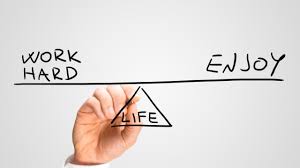
Not every task will feel inspiring, and not every job will be a perfect fit. Still, people can often find value in the skills they build, the relationships they form, or the support their effort provides to others. Recognizing progress, celebrating useful contributions, and making time for life outside work can help create a more balanced perspective.
Work matters because of what it makes possible: stability, connection, creativity, service, and growth. A healthy approach recognizes both the importance of work and the importance of the people doing it. When individuals and organizations treat work with care and respect, it can become a stronger foundation for personal well-being and shared progress.
7 Effective Tips to Boost Productivity and Success at Work
- Set clear priorities each day.
- Break big tasks into smaller steps.
- Take short breaks to stay focused.
- Communicate updates early and clearly.
- Keep your workspace organized.
- Ask questions when expectations are unclear.
- Celebrate progress, not just results.
Set clear priorities each day.
Setting clear priorities each day helps you focus your time and energy on the work that matters most. Start by identifying your most important tasks, then arrange them by urgency and impact. Keep the list realistic, and leave room for unexpected requests or breaks. By knowing what needs your attention first, you can make steady progress, reduce distractions, and end the day with a clearer sense of accomplishment.
Break big tasks into smaller steps.
Breaking a big task into smaller steps can make it feel easier to start and manage. Instead of focusing on the entire project at once, list the actions you need to take and tackle them one at a time. Set simple, achievable goals for each step, and recognize your progress as you go. This approach can reduce overwhelm, help you stay organized, and make it easier to keep moving toward the finish line.
Take short breaks to stay focused.
Taking short breaks throughout the workday can help you stay focused and maintain your energy. Step away from your screen, stretch, take a few deep breaths, or get a glass of water. Even a brief pause gives your mind a chance to reset, making it easier to return to your tasks with renewed attention.
Communicate updates early and clearly.
Communicating updates early and clearly helps everyone stay informed, coordinate their work, and address problems before they grow. Share important changes as soon as you can, explain what has changed and how it may affect timelines or responsibilities, and be direct about any help you need. Even when you don’t have all the answers, a brief, honest update is more useful than leaving colleagues guessing.
Keep your workspace organized.
Keeping your workspace organized can make it easier to focus, find what you need, and stay on top of tasks. Put frequently used items within reach, file or recycle papers regularly, and clear away clutter at the end of the day. A tidy workspace doesn’t have to be perfect; a few simple habits can help you work more comfortably and efficiently.
Ask questions when expectations are unclear.
When expectations are unclear, ask questions before getting started. Clarifying priorities, deadlines, responsibilities, and what a successful result looks like can prevent misunderstandings and save time. A quick, respectful conversation also shows that you’re engaged and want to do the work well.
Celebrate progress, not just results.
Celebrate progress, not just results. Big achievements often take time, and recognizing small steps along the way can help you stay motivated and see how far you’ve come. Whether you learned a new skill, solved a difficult problem, or kept moving forward during a challenging week, each step deserves acknowledgment. Valuing progress also encourages a healthier approach to work by making growth and effort part of success—not just the final outcome.