
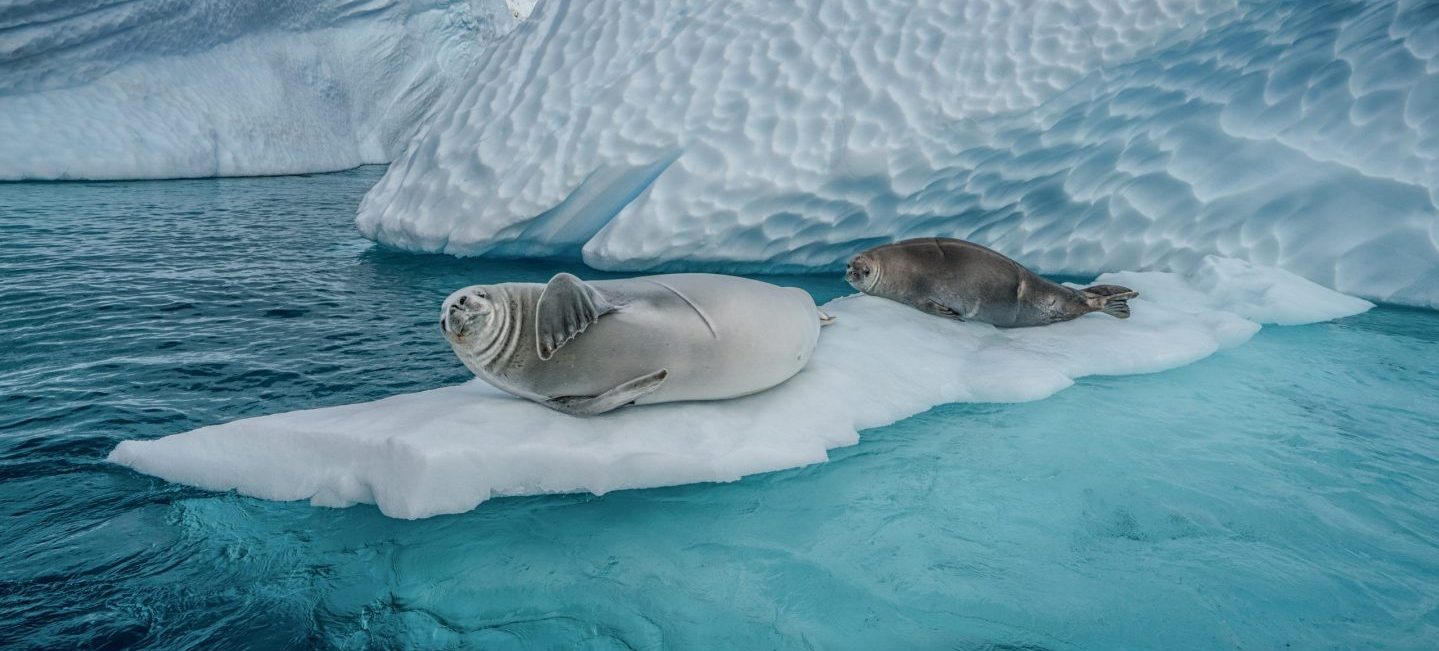
Marine Protection: Safeguarding the Ocean and Its Future
Oceans cover most of Earth’s surface, support an extraordinary range of life, and help regulate the climate. They also provide food, jobs, transportation, and recreation for people around the world. Yet marine ecosystems face growing pressure from pollution, overfishing, habitat destruction, and climate change. Protecting the ocean is essential not only for marine species, but also for the health and well-being of human communities.
Why Marine Protection Matters
Healthy oceans help absorb heat and carbon dioxide, influence weather patterns, and sustain food webs that extend from microscopic plankton to large whales. Coastal ecosystems such as mangrove forests, seagrass beds, and salt marshes provide valuable habitat and can help shield shorelines from storms and erosion.
Millions of people depend on marine resources for income and nutrition. When fish populations decline or coastal habitats are damaged, the effects can reach far beyond the water. Fishing communities may lose livelihoods, food supplies may become less secure, and coastal areas may become more vulnerable to extreme weather.
Major Threats to Marine Ecosystems
Pollution
Plastic waste, discarded fishing gear, chemicals, sewage, and agricultural runoff can all harm marine life and degrade water quality. Animals may become entangled in debris or mistake plastic for food. Nutrient pollution can also trigger algal blooms that reduce oxygen in the water and create conditions in which marine life struggles to survive.
Overfishing and Bycatch
When fish are caught faster than populations can recover, ecosystems and fishing economies can suffer. Some fishing methods also unintentionally catch other animals, including sea turtles, seabirds, sharks, and marine mammals. Responsible fisheries management can help protect species while supporting food production and local livelihoods.
Habitat Loss
Coastal development, dredging, destructive fishing practices, and pollution can damage coral reefs, seagrass beds, wetlands, and other important habitats. These areas provide shelter and breeding grounds for many species. Their loss can weaken entire marine ecosystems.
Climate Change
Rising ocean temperatures can cause coral bleaching and alter the distribution of marine species. The ocean is also becoming more acidic as it absorbs carbon dioxide, making it harder for some organisms to build shells and skeletons. Sea-level rise and stronger coastal flooding can further affect communities and habitats.
How Marine Protection Works
Marine protection combines science, public policy, community leadership, and practical action. Marine protected areas can limit certain activities in sensitive places, giving habitats and species a chance to recover. Effective protection depends on careful planning, clear rules, adequate monitoring, and meaningful involvement from local communities.
Other approaches include setting sustainable fishing limits, reducing bycatch, restoring damaged habitats, preventing pollution at its source, and enforcing laws against illegal fishing. International cooperation is also important because marine species and ocean currents cross national boundaries.
What Individuals and Communities Can Do
- Reduce single-use plastics and dispose of waste responsibly.
- Choose seafood from well-managed fisheries when reliable information is available.
- Keep litter, chemicals, and motor oil out of storm drains and waterways.
- Support conservation groups and policies that protect marine habitats.
- Follow local guidelines when boating, fishing, diving, or visiting the coast.
- Share accurate information about ocean issues and conservation efforts.
Individual choices matter, but lasting progress also requires strong environmental standards, responsible business practices, scientific research, and sustained investment in conservation.
A Shared Responsibility
Marine protection is not simply about preserving beautiful coastlines or distant wildlife. It is about maintaining the living systems that support people and nature alike. With thoughtful management and cooperation, damaged habitats can recover, threatened species can have a better chance of survival, and coastal communities can build resilience.
The ocean’s future depends on decisions made today. Protecting marine ecosystems is a shared responsibility—and an investment in a healthier, more sustainable future for generations to come.
Marine Protection: 9 Frequently Asked Questions About Protecting Our Oceans
- What is marine protection?
- Why is marine protection important?
- What are the biggest threats to marine ecosystems?
- How do marine protected areas help ocean life?
- How does plastic pollution affect marine animals?
- What is overfishing, and how can it be prevented?
- How does climate change affect the ocean?
- What can individuals do to protect marine life?
- How can I choose sustainable seafood?
What is marine protection?
Marine protection is the conservation and responsible management of oceans, seas, and coastal habitats to safeguard marine life and keep ecosystems healthy. It includes efforts such as reducing pollution, preventing overfishing, restoring damaged habitats, and establishing marine protected areas. These actions help preserve biodiversity, support coastal communities, and maintain the ocean’s vital role in providing food, regulating climate, and sustaining life.
Why is marine protection important?
Marine protection is important because healthy oceans support life on Earth, help regulate the climate, provide food and livelihoods, and protect coastlines. Safeguarding marine habitats and species also helps maintain biodiversity and strengthens ocean ecosystems against threats such as pollution, overfishing, and climate change. By protecting the ocean, we support both wildlife and the communities that depend on it.
What are the biggest threats to marine ecosystems?
The biggest threats to marine ecosystems include pollution, overfishing, habitat destruction, and climate change. Plastic waste, chemicals, and agricultural runoff can injure marine animals and degrade water quality, while excessive fishing can deplete populations and disrupt food webs. Coastal development and harmful fishing practices damage important habitats such as coral reefs, mangroves, and seagrass beds. Meanwhile, warming and increasingly acidic oceans put additional stress on marine species and ecosystems.
How do marine protected areas help ocean life?
Marine protected areas help ocean life by limiting activities such as fishing, development, or anchoring in sensitive habitats. When rules are well designed and enforced, these areas give species and ecosystems time to recover, protect important feeding and breeding grounds, and help maintain biodiversity. Healthy populations may also spread into nearby waters, benefiting surrounding ecosystems and fisheries. The level of benefit depends on the area’s protections, management, and enforcement.
How does plastic pollution affect marine animals?
Plastic pollution harms marine animals in several ways. Animals such as sea turtles, seabirds, and whales may mistake plastic for food, which can block their digestive systems, cause injury, or leave them malnourished. They can also become entangled in plastic bags, fishing lines, and discarded nets, making it difficult to swim, feed, or breathe. Over time, larger plastic items break into tiny pieces called microplastics, which can be eaten by small marine organisms and move through the food web. Reducing plastic waste and keeping litter out of waterways helps protect ocean wildlife.
What is overfishing, and how can it be prevented?
Overfishing happens when fish are caught faster than their populations can reproduce and recover, causing stocks to decline and disrupting marine ecosystems. It can be prevented through science-based catch limits, seasonal closures, protected areas, and rules that reduce bycatch and destructive fishing practices. Strong monitoring and enforcement help stop illegal fishing, while consumers can support the effort by choosing seafood from well-managed fisheries.
How does climate change affect the ocean?
Climate change affects the ocean by raising water temperatures, causing sea levels to rise, and increasing ocean acidification as seawater absorbs more carbon dioxide. Warmer water can fuel coral bleaching and shift where marine species live, while rising seas threaten coastal habitats and communities. These changes can disrupt food webs, damage ecosystems, and make it harder for ocean-dependent communities to protect their livelihoods.
What can individuals do to protect marine life?
Individuals can help protect marine life by reducing single-use plastics, recycling properly, and never leaving litter on beaches or near waterways. Choosing sustainably sourced seafood, using reef-safe sunscreen where appropriate, and respecting wildlife by keeping a safe distance can also make a difference. People can support marine conservation organizations, participate in local beach or river cleanups, and encourage policies that reduce pollution and protect ocean habitats.
How can I choose sustainable seafood?
To choose sustainable seafood, look for options from well-managed fisheries or responsibly operated farms. Use trusted guides, such as Seafood Watch, and check for credible certifications like the Marine Stewardship Council (MSC) for wild-caught seafood or the Aquaculture Stewardship Council (ASC) for farmed seafood. Ask where and how the seafood was caught or raised, and choose species that are abundant and caught with methods that minimize harm to other wildlife and habitats. Because sustainability varies by species and location, check current recommendations before you buy.