
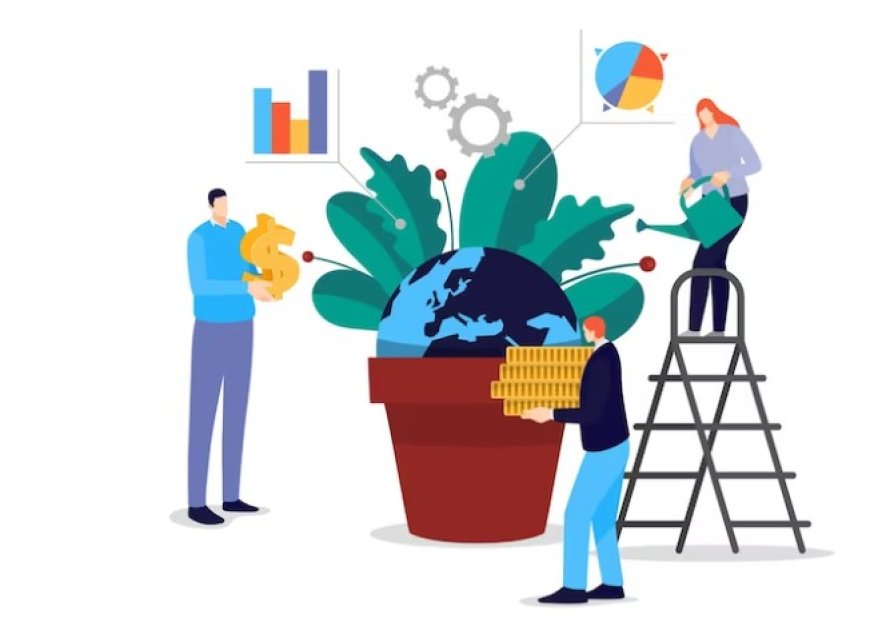
Environmental Sustainability in Business
Environmental sustainability has become an important part of how businesses plan, operate, and grow. From small local companies to multinational corporations, organizations are examining how their choices affect natural resources, climate, and the communities around them. Building more sustainable practices can reduce environmental harm while helping businesses prepare for changing expectations, regulations, and resource costs.
What Environmental Sustainability Means for Business
In business, environmental sustainability means meeting today’s needs while reducing damage to the natural systems that people and economies depend on. It can involve using energy and materials more efficiently, reducing pollution and waste, protecting ecosystems, and considering environmental impacts throughout a product’s life cycle—from sourcing and manufacturing to delivery and disposal.
Sustainability is not limited to a single project, such as installing solar panels or eliminating plastic bags. It is an ongoing approach to decision-making that considers both immediate results and long-term consequences.
Why Sustainable Practices Matter
More efficient operations can help businesses lower energy, water, and material costs. Reducing waste may also cut disposal expenses and reveal opportunities to reuse materials or improve production processes. These efforts can make a company more resilient to supply disruptions and changes in the availability or price of resources.
Environmental performance can also influence customers, employees, investors, and business partners. Many people want to work with or buy from organizations whose actions reflect their stated values. Clear, credible sustainability efforts can support trust, while exaggerated or unsupported claims can damage it.
Businesses may also face environmental requirements from governments, lenders, customers, or industry groups. Understanding these expectations early can help organizations manage risk and avoid rushed, costly changes later.
Practical Steps Businesses Can Take
- Measure environmental impacts. Start by tracking energy use, water consumption, waste, transportation, and major sources of emissions. A baseline helps identify priorities and measure progress.
- Improve energy efficiency. Maintain equipment, upgrade lighting and heating systems, and look for ways to reduce energy use in buildings and operations. Where appropriate, consider renewable electricity.
- Reduce waste. Review purchasing and production practices, use materials more efficiently, and prioritize reuse, repair, and recycling where practical.
- Consider the supply chain. Ask suppliers about material sourcing, environmental practices, and transportation. Better visibility can reveal risks and opportunities beyond a company’s own facilities.
- Design for durability. Products and packaging that use fewer materials, last longer, or are easier to repair and recycle can reduce environmental impacts over time.
- Set realistic goals. Choose specific, measurable targets with clear timelines. Assign responsibility and review progress regularly.
- Engage employees. Employees often know where processes create unnecessary waste or use resources inefficiently. Training and practical feedback channels can help turn ideas into improvements.
Making Sustainability Part of Business Strategy
For lasting results, environmental considerations should be connected to core business decisions rather than treated as a separate public relations effort. Leaders can include sustainability in budgeting, product development, procurement, facility planning, and risk management. They can also give teams the information and authority needed to put plans into practice.
Companies do not need to tackle every issue at once. A useful starting point is to identify the organization’s most significant environmental impacts, then focus on actions that are achievable and meaningful. Progress can be reviewed over time, with plans adjusted as technology, regulations, and business conditions change.
Communicating Progress Responsibly
Clear communication helps customers and other stakeholders understand what a business is doing. Companies should explain the scope of their goals, the methods used to measure results, and the progress made so far. Claims should be specific and supported by reliable data. If an initiative is still in progress, it is better to say so plainly than to present an aspiration as an accomplishment.
Independent standards, audits, or certifications may help provide assurance, depending on the business and the claim. They do not replace good operations, but they can support transparency when used accurately.
A Long-Term Opportunity
Environmental sustainability is not a one-size-fits-all program. The right approach depends on a company’s size, industry, location, and resources. Still, businesses in every sector can look for ways to use resources responsibly, reduce avoidable impacts, and make informed decisions about their environmental risks.
By setting practical goals, measuring results, and improving consistently, businesses can contribute to a healthier environment while building operations that are more efficient and prepared for the future.
6 Key Benefits of Environmental Sustainability in Business
- Reduces energy and operating costs.
- Cuts waste and pollution.
- Strengthens resilience to resource shortages.
- Builds customer and employee trust.
- Helps meet environmental regulations.
- Encourages innovation and long-term growth.
Challenges Businesses Face in Achieving Environmental Sustainability
- High upfront costs for sustainable technology and upgrades.
- Long payback periods can strain budgets.
- New processes may disrupt daily operations.
- Sustainable materials can cost more or be harder to source.
- Measuring environmental impact can be complex.
- Strict targets may be difficult for small businesses to meet.
- Unverified sustainability claims can damage trust.
Reduces energy and operating costs.
Environmental sustainability can reduce energy and operating costs by helping businesses use electricity, fuel, water, and materials more efficiently. Upgrading to energy-efficient lighting and equipment, improving building insulation, and reducing waste can lower utility bills and day-to-day expenses. Over time, these improvements may also make a business less vulnerable to rising energy prices while supporting more efficient operations.
Cuts waste and pollution.
Environmental sustainability helps businesses cut waste and pollution by using materials, energy, and water more efficiently. Measures such as improving production processes, reducing excess packaging, reusing materials, and preventing leaks or emissions can lower the amount of waste sent to landfills and pollutants released into the air and water. These changes can also reduce disposal and operating costs while supporting a cleaner, healthier environment.
Strengthens resilience to resource shortages.
Environmental sustainability can strengthen a business’s resilience to resource shortages by reducing reliance on limited or unpredictable supplies. Using energy, water, and raw materials more efficiently—and reusing or recycling materials where practical—can help companies maintain operations when prices rise or supplies are disrupted. Diversifying suppliers and choosing more sustainable alternatives can further reduce risk, making the business better prepared for changing market conditions and future resource constraints.
Builds customer and employee trust.
Environmental sustainability can build trust with both customers and employees when a business follows through on its commitments. Customers may feel more confident supporting a company that reduces waste, uses resources responsibly, and communicates its progress honestly. Employees, in turn, are more likely to feel proud of their workplace when its actions reflect shared concerns about the environment. Trust grows when sustainability efforts are specific, measurable, and transparent—not just claims in marketing materials.
Helps meet environmental regulations.
Environmental sustainability helps businesses meet environmental regulations by encouraging them to monitor their resource use, reduce pollution, manage waste responsibly, and keep accurate records. Taking these steps proactively can make it easier to comply with current requirements, adapt when rules change, and avoid penalties or costly last-minute adjustments. It can also strengthen a company’s ability to demonstrate responsible environmental practices to regulators, customers, and business partners.
Encourages innovation and long-term growth.
Environmental sustainability can encourage innovation and support long-term business growth by prompting companies to rethink products, processes, and business models. Investing in energy efficiency, renewable materials, waste reduction, and durable product design can uncover new ways to lower costs and meet evolving customer needs. These improvements may also help businesses stand out in competitive markets, adapt to changing regulations and resource constraints, and build resilience over time.
High upfront costs for sustainable technology and upgrades.
One challenge of environmental sustainability in business is the high upfront cost of sustainable technology and facility upgrades. Installing renewable energy systems, replacing older equipment with more efficient models, or redesigning buildings and production processes can require significant initial investment. Although these changes may reduce operating costs over time, smaller businesses or companies with tight budgets may struggle to finance them, especially when the payback period is long or uncertain. Careful planning, incentives, and phased upgrades can help make these investments more manageable.
Long payback periods can strain budgets.
Investing in environmental sustainability can strain a business’s budget when the financial benefits take years to materialize. Upfront costs for energy-efficient equipment, renewable power systems, or redesigned production processes may be substantial, while savings build gradually through lower utility bills or reduced waste. This long payback period can limit cash available for hiring, maintenance, or other urgent needs, especially for small businesses. Careful cost analysis, phased investments, and financing options can help companies pursue improvements without placing too much pressure on short-term budgets.
New processes may disrupt daily operations.
Introducing environmentally sustainable practices can disrupt daily operations, especially when employees need training, equipment must be replaced, or established workflows are redesigned. During the transition, businesses may face temporary delays, reduced productivity, or added coordination demands. Careful planning, phased implementation, and clear communication can help minimize these disruptions while new processes take hold.
Sustainable materials can cost more or be harder to source.
Sustainable materials can cost more than conventional alternatives or be difficult to source consistently. Limited suppliers, specialized production methods, and transportation requirements may raise prices or extend lead times, making it harder for businesses to manage budgets and maintain reliable production. Companies can reduce these challenges by researching suppliers early, comparing the full life-cycle costs of materials, and developing backup sourcing plans.
Measuring environmental impact can be complex.
Measuring a business’s environmental impact can be complex because effects often extend beyond its own buildings and operations. A company may need to assess emissions, water use, waste, and resource consumption across suppliers, transportation, product use, and disposal. Data can be incomplete or collected in different ways, making comparisons difficult and results uncertain. Gathering reliable information may also require specialized expertise, time, and money—resources that can be especially challenging for smaller businesses.
Strict targets may be difficult for small businesses to meet.
Strict environmental targets can be difficult for small businesses to meet because they often have limited budgets, staff, and time to invest in new equipment, cleaner materials, or detailed reporting. Unlike larger companies, they may lack access to sustainability experts or the bargaining power to influence suppliers. As a result, even businesses that want to reduce their environmental impact may struggle to meet ambitious deadlines, and the cost of compliance can put additional pressure on their operations.
Unverified sustainability claims can damage trust.
Unverified sustainability claims can damage trust when a business promotes its products or practices as environmentally friendly without reliable evidence. Customers, employees, and investors may feel misled if claims are vague, exaggerated, or contradicted by the company’s actions. This can lead to reputational harm, lost customer loyalty, and increased scrutiny from regulators and the public. To maintain credibility, businesses should support environmental claims with accurate data, explain how results are measured, and communicate limitations honestly.