
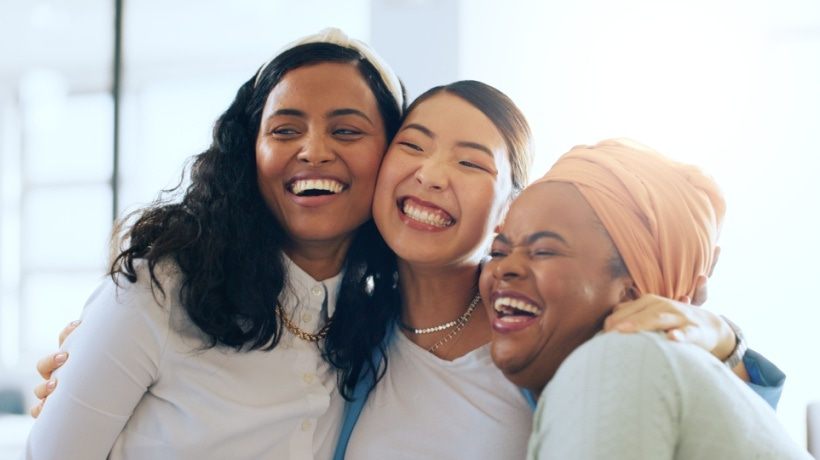
Diversity in Everyday Life
Diversity is the presence of different identities, backgrounds, experiences, and perspectives within a community. It can include differences in culture, race, ethnicity, age, ability, religion, gender, sexual orientation, language, and socioeconomic background. Diversity is part of everyday life—in schools, workplaces, neighborhoods, and public spaces.
Why Diversity Matters
People’s varied experiences help communities see challenges from more than one point of view. When people with different perspectives have the opportunity to contribute, they can share new ideas, question assumptions, and help create solutions that work for a wider range of people. Diversity can also deepen understanding by giving people opportunities to learn from one another.
But representation alone is not enough. People need to feel respected, included, and able to participate. A community may be diverse while still leaving some voices unheard. Inclusion means working to remove barriers and ensuring that people have a genuine opportunity to contribute and belong.
Putting Inclusion into Practice
Building more inclusive communities starts with everyday choices. Listen with curiosity, avoid making assumptions about someone’s background, and use respectful language. When a person shares an experience, take it seriously—even when it differs from your own. It can also help to notice who is being included in conversations and decisions, and whose needs may have been overlooked.
Organizations can support inclusion by making information accessible, establishing fair policies, and creating clear ways for people to raise concerns. Schools, employers, and community groups can also seek input from the people affected by their decisions. These actions work best when they are ongoing rather than limited to a single event or initiative.
A Shared Responsibility
Diversity is not a problem to solve; it is a reality to recognize and value. Creating a fairer, more welcoming environment takes effort from individuals and institutions alike. By listening, learning, and treating people with dignity, communities can make space for more people to participate—and benefit from the perspectives and talents they bring.
6 Essential Tips to Embrace and Enhance Diversity
- Welcome different perspectives.
- Use inclusive language.
- Listen without interrupting.
- Challenge unfair assumptions.
- Make space for every voice.
- Celebrate varied backgrounds.
Welcome different perspectives.
Welcome different perspectives by listening with curiosity and respect, especially when someone’s experience or opinion differs from your own. Ask thoughtful questions, avoid making assumptions, and consider how another point of view might reveal something you had not noticed. Valuing different perspectives can build understanding, spark new ideas, and help create a more inclusive community.
Use inclusive language.
Use inclusive language to help everyone feel respected and welcome. Choose words that don’t make assumptions about someone’s identity, background, abilities, or family, and use the names and pronouns people ask you to use. When you’re unsure which terms are appropriate, ask politely or use neutral wording. Small choices in everyday communication can help create a more welcoming environment for everyone.
Listen without interrupting.
Listening without interrupting is a simple but meaningful way to show respect for diverse perspectives. Give others time to express their thoughts and experiences, even when they differ from your own. By listening with patience and curiosity, you can better understand where someone is coming from, avoid making assumptions, and help create a conversation in which everyone feels valued.
Challenge unfair assumptions.
Challenge unfair assumptions by pausing to question where an idea or expectation comes from and whether it reflects facts or a stereotype. Avoid judging people based on their appearance, background, identity, or experiences, and stay open to learning when someone offers a different perspective. If you notice an unfair assumption in a conversation or decision, address it respectfully and focus on treating each person as an individual.
Make space for every voice.
Making space for every voice means creating opportunities for people to share their ideas and experiences—and listening with respect when they do. Invite quieter participants into the conversation without putting them on the spot, make room for different communication styles, and be mindful that no one person should dominate. When people feel heard and valued, they are more likely to contribute, and the whole group benefits from a wider range of perspectives.
Celebrate varied backgrounds.
Celebrate varied backgrounds by showing genuine interest in people’s cultures, experiences, and perspectives. Invite everyone to share in ways that feel comfortable to them, recognize meaningful traditions, and make room for different viewpoints in conversations and decisions. Approach differences with curiosity and respect, while remembering that no one person represents an entire community. These everyday actions help people feel valued and strengthen a sense of belonging.