
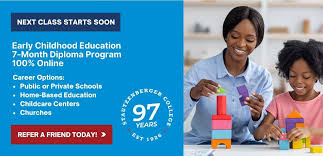
Why Early Childhood Education Matters
Early childhood is a time of remarkable growth. From birth through the early elementary years, children develop the language, social, emotional, and thinking skills that help shape how they learn and interact with the world. High-quality early childhood education can support this development while giving children a safe, engaging place to explore, play, and build relationships.
Learning Through Play
Play is more than a way to pass the time. When children build with blocks, make up stories, draw, sing, or explore outdoors, they practice important skills. They learn to solve problems, express ideas, take turns, and keep trying when something is challenging. Thoughtfully planned play-based activities help children learn at a pace that fits their age and interests.
For example, a pretend grocery store can introduce counting, sorting, conversation, and cooperation. A simple art project can strengthen fine motor skills while encouraging creativity and decision-making. These experiences help make learning active and meaningful.
Supporting the Whole Child
Strong early education supports more than academic readiness. It helps children build confidence, independence, curiosity, and emotional awareness. In a caring classroom, children can practice naming their feelings, listening to others, following routines, and asking for help.
Relationships are central to this process. Responsive educators pay attention to each child’s needs, interests, and strengths. When children feel safe and respected, they are more likely to explore, participate, and form positive connections with others.
Preparing for School and Beyond
Early childhood programs can help children become familiar with the routines and expectations of school. Children may practice listening to stories, communicating their ideas, working in groups, and caring for classroom materials. They also encounter early literacy and math concepts in everyday activities, such as recognizing letters, comparing quantities, or describing patterns.
School readiness does not mean that every child should master the same checklist at the same age. Children develop in different ways and on different timelines. A strong program recognizes those differences and offers encouragement and appropriate support.
Families and Educators Working Together
Families are children’s first and most important teachers. Early education works best when educators and families share information and build a respectful partnership. Regular communication helps educators understand a child’s routines, language, interests, and needs. Families, in turn, can learn about what their child is exploring and find simple ways to extend that learning at home.
Everyday moments can offer valuable learning opportunities. Reading together, talking during a walk, preparing a meal, or sorting laundry can encourage language, observation, counting, and problem-solving. These activities do not need to be complicated or expensive to be meaningful.
What to Look for in an Early Childhood Program
When choosing a program, families may want to consider the following:
- Warm, responsive relationships: Educators interact with children patiently and respectfully.
- Safe and welcoming spaces: Indoor and outdoor areas are clean, secure, and suited to children’s needs.
- Play and exploration: The daily schedule includes opportunities for choice, creativity, movement, and discovery.
- Inclusive practices: Children’s backgrounds, abilities, languages, and family experiences are valued.
- Family communication: Staff share information and welcome questions from families.
- Qualified educators: Teachers have appropriate preparation and access to ongoing professional development.
A Strong Start for Every Child
Early childhood education is an investment in children, families, and communities. When young learners have access to safe, supportive environments and caring adults, they have more opportunities to grow, discover their strengths, and develop a lasting interest in learning. A strong start does not determine a child’s future, but it can help provide a solid foundation for the years ahead.
Early Childhood Education FAQs: Essential Skills, Career Roles, Certificates, and Degrees
- What are 5 skills you need as an early childhood educator?
- What does an early childhood education do?
- What is the meaning of early childhood education?
- Is an ECE certificate worth it?
- What is the difference between preschool and early childhood education?
- What is the best degree for early childhood education?
What are 5 skills you need as an early childhood educator?
Early childhood educators benefit from five essential skills: patience, clear communication, creativity, observation, and flexibility. Patience helps them respond calmly to young children as they learn and manage emotions, while communication supports positive relationships with children, families, and colleagues. Creativity helps make learning engaging through play and hands-on activities. Strong observation skills allow educators to notice children’s needs, interests, and developmental progress, and flexibility helps them adapt plans and approaches when situations change.
What does an early childhood education do?
Early childhood education supports children’s learning and development from birth through the early elementary years. Through play, stories, conversation, and hands-on activities, educators help children build language, early literacy and math skills, curiosity, and problem-solving abilities. They also nurture social and emotional growth by helping children develop confidence, communicate, cooperate, and manage feelings in a safe, supportive environment.
What is the meaning of early childhood education?
Early childhood education refers to the care and learning experiences provided to young children, typically from birth through age 8. It supports children’s development across many areas, including language, thinking, physical skills, and social and emotional growth. Through play, exploration, daily routines, and caring relationships with educators and peers, children begin building skills and confidence that can support their transition to school and continued learning.
Is an ECE certificate worth it?
An early childhood education (ECE) certificate can be worth it if you want to work with young children and need a credential for entry-level roles or career advancement. It may help you build practical skills in child development, classroom guidance, and safety, and some employers or states require specific training for certain positions. Before enrolling, check local licensing rules and employer requirements, and compare the program’s cost, schedule, and job opportunities with your goals. A certificate may be a useful first step, though some roles require a degree or additional credentials.
What is the difference between preschool and early childhood education?
Early childhood education is the broad term for learning and development from birth through around age 8, including experiences at home, in child care, preschool, kindergarten, and the early elementary grades. Preschool is one type of early childhood education: a structured program, usually for children ages 3 to 5, that offers learning and social experiences before kindergarten. In short, preschool is a specific program, while early childhood education includes a wider range of settings, ages, and learning experiences.
What is the best degree for early childhood education?
The best degree for early childhood education depends on your career goals and the requirements in your state. An associate degree can prepare you for some preschool or childcare roles, while a bachelor’s degree in early childhood education or a related field is often preferred for lead teaching positions and may be required for public school teaching. If you plan to teach pre-K through third grade, look for a program that includes supervised classroom experience and leads to the appropriate state teaching license. Always check local requirements, since credentials vary by role and location.