
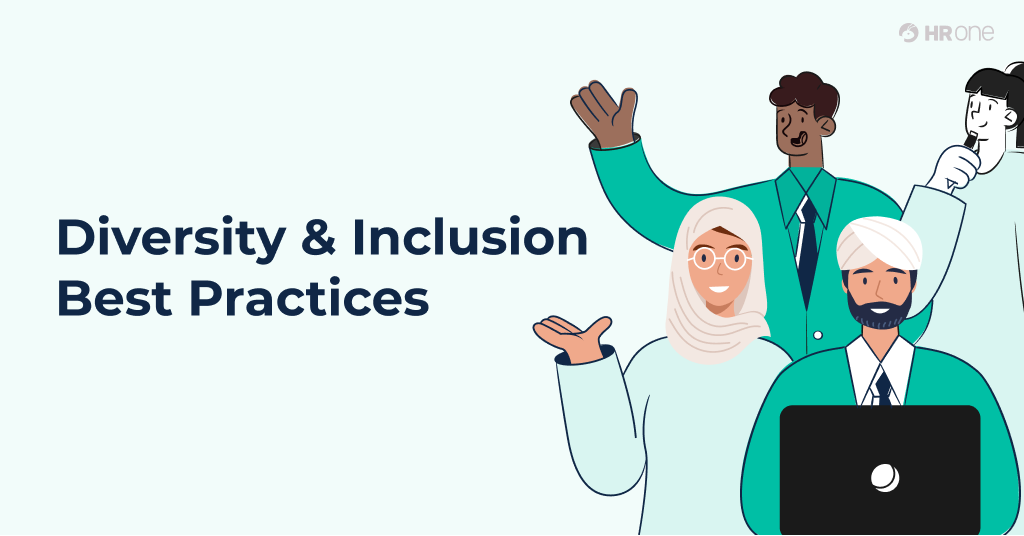
What Does D&I Mean?
D&I stands for diversity and inclusion. The phrase describes both the presence of people with different identities and experiences and the effort to help them participate, contribute, and feel respected.
What Is Diversity?
Diversity refers to the differences among people in a group or community. These may include race, ethnicity, gender, age, disability, religion, sexual orientation, socioeconomic background, education, nationality, and life experience. Diversity can also include differences in perspectives, skills, and ways of thinking.
What Is Inclusion?
Inclusion means creating an environment where people are treated with respect and have a meaningful opportunity to participate. An inclusive workplace, for example, makes space for different viewpoints, provides fair access to opportunities, and addresses barriers that may prevent employees from contributing.
How Diversity and Inclusion Work Together
Diversity and inclusion are related, but they are not the same. Diversity is about who is represented; inclusion is about how people are treated and whether they can take part. A group can be diverse without being inclusive. For example, an organization may employ people from many backgrounds but still overlook their ideas or limit their access to leadership roles.
In simple terms, diversity can bring people into the room, while inclusion helps ensure they can participate once they are there.
Why D&I Matters
Effective D&I efforts can help organizations build trust, attract and retain talent, and make better-informed decisions. When people feel respected and are able to share their perspectives, teams may be better equipped to understand the needs of coworkers, customers, and communities. D&I also supports fairness by encouraging organizations to identify and address unequal treatment or opportunity.
Examples of D&I in Practice
- Using consistent, accessible hiring practices
- Providing reasonable accommodations for employees with disabilities
- Making meetings accessible and inviting input from everyone
- Reviewing policies for barriers or unfair outcomes
- Offering mentorship and development opportunities equitably
- Responding to discrimination and harassment promptly and fairly
D&I and Related Terms
You may also see the terms DE&I, which adds equity, and DEI&B, which adds belonging. Equity focuses on identifying and addressing barriers so people have fair access to opportunities and resources. Belonging describes the feeling of being accepted and valued as part of a group.
In Summary
D&I means diversity and inclusion: recognizing differences among people and creating conditions in which everyone can participate and be treated with respect. In practice, meaningful D&I involves more than representation; it requires ongoing attention to access, fairness, and everyday behavior.
5 Benefits of Understanding Diversity and Inclusion (D&I)
- Clarifies diversity and inclusion.
- Promotes respectful workplaces.
- Encourages fair opportunities.
- Supports broader perspectives.
- Helps build a sense of belonging.
5 Challenges of Understanding and Implementing Diversity & Inclusion (D&I)
- The acronym can be unclear without context.
- D&I definitions may vary by organization.
- Programs can become performative without action.
- Poorly designed efforts may feel tokenizing.
- Measuring meaningful progress can be difficult.
Clarifies diversity and inclusion.
One key benefit of understanding the meaning of D&I is that it clarifies the distinct but connected roles of diversity and inclusion. Diversity describes the range of identities, backgrounds, and experiences represented in a group, while inclusion focuses on whether people are welcomed, respected, and able to participate. This distinction helps organizations see that representation alone is not enough; they must also create an environment where everyone has a fair opportunity to contribute.
Promotes respectful workplaces.
Diversity and inclusion (D&I) can help promote respectful workplaces by encouraging people to value different backgrounds, perspectives, and experiences. When organizations set clear expectations for respectful behavior and ensure employees feel heard and treated fairly, they can foster a stronger sense of trust and belonging. This can make collaboration easier and help create a workplace where people feel comfortable contributing their ideas.
Encourages fair opportunities.
One important benefit of diversity and inclusion (D&I) is that they encourage fair opportunities for everyone. By identifying and addressing barriers in hiring, promotion, training, and daily participation, organizations can help ensure that people are evaluated on their skills and contributions rather than unfair assumptions or circumstances. This gives more people a meaningful chance to grow, contribute, and succeed.
Supports broader perspectives.
Diversity and inclusion support broader perspectives by bringing together people with different backgrounds, experiences, and ways of thinking. When everyone has a meaningful opportunity to contribute, teams can consider a wider range of ideas, identify overlooked challenges, and make more informed decisions.
Helps build a sense of belonging.
Diversity and inclusion (D&I) help build a sense of belonging by creating an environment where people feel welcomed, respected, and valued for who they are. When individuals can share their perspectives, participate fully, and see their experiences acknowledged, they are more likely to feel connected to the group. This sense of belonging can strengthen trust, collaboration, and engagement at work or in a community.
The acronym can be unclear without context.
One drawback of the acronym D&I is that it can be unclear without context. While it often means “diversity and inclusion,” it may have different meanings in other fields or organizations, and readers who are unfamiliar with the term may not know what it refers to. To avoid confusion, spell out “diversity and inclusion” the first time it appears and explain how the term is being used.
D&I definitions may vary by organization.
One potential drawback of D&I is that its meaning can vary from one organization to another. Some organizations may focus mainly on representation, while others emphasize inclusion, equity, accessibility, or belonging. Without a clear, shared definition, employees and leaders may have different expectations about what D&I efforts involve, making it harder to set consistent goals, measure progress, and communicate results.
Programs can become performative without action.
D&I programs can become performative when organizations make public statements or hold awareness events without taking meaningful action. If leaders do not address barriers, review policies, or follow through on commitments, employees may see these efforts as symbolic rather than sincere. This can undermine trust and make people less likely to engage with future initiatives.
Poorly designed efforts may feel tokenizing.
Poorly designed diversity and inclusion (D&I) efforts can make people feel tokenized—as if they were included mainly to represent a particular identity rather than valued for their skills, ideas, and individuality. This can happen when organizations focus on visible representation without listening to employees, sharing decision-making power, or addressing deeper barriers to opportunity. To avoid this, D&I initiatives should be thoughtful, sustained, and shaped with input from the people they are intended to support.
Measuring meaningful progress can be difficult.
Measuring meaningful progress in diversity and inclusion can be difficult because the numbers alone rarely tell the whole story. Representation data may show who is in an organization, but it may not reveal whether people feel respected, included, or equally able to advance. Surveys and feedback can offer useful insight, yet results may be influenced by low participation or concerns about speaking openly. Organizations therefore need clear goals and a mix of quantitative data and candid feedback—and must review both over time—to understand whether their efforts are making a lasting difference.