
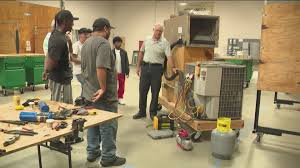
How to Find the Right HVAC School Near You
If you’re interested in a hands-on career with strong opportunities for learning and advancement, HVAC training may be a good place to start. HVAC technicians install, maintain, and repair heating, ventilation, air conditioning, and refrigeration systems. Searching for “HVAC school near me” can turn up several options, but the right program depends on your goals, schedule, budget, and local licensing requirements.
What HVAC School Teaches
HVAC programs typically combine classroom instruction with practical training. Courses may cover:
- Heating and cooling system fundamentals
- Electrical circuits, controls, and troubleshooting
- Refrigeration principles and refrigerant handling
- Airflow, ventilation, and indoor air quality
- Safety practices, tools, and building codes
- Equipment installation, maintenance, and repair
Many programs also prepare students for industry certifications or help them meet prerequisites for an apprenticeship. Training content and credentials vary, so review each school’s curriculum before enrolling.
Types of HVAC Training Programs
Certificate and Diploma Programs
These programs are often designed to teach job-ready skills in a relatively short time. They may be a good fit for students who want focused technical training. Program length, costs, and hands-on lab hours vary by school.
Associate Degree Programs
Some colleges offer associate degrees in HVAC or a related field. In addition to technical instruction, these programs may include general education, business, or advanced system coursework.
Apprenticeships
An apprenticeship combines paid, supervised work with classroom instruction. Applicants generally need to meet program requirements, which can differ by employer, trade organization, or region. Apprenticeships can be a practical route for people who prefer learning on the job.
How to Compare HVAC Schools Near You
Before choosing a program, compare more than the location. Ask schools about:
- Accreditation and approval: Check whether the school is recognized by relevant education or workforce agencies.
- Hands-on experience: Find out how much time students spend working with real equipment in labs or on job sites.
- Certifications: Ask whether the program prepares students for applicable exams, including refrigerant-handling certification where required.
- Cost and financial aid: Request a full breakdown of tuition, tools, books, fees, and available aid.
- Schedule and format: Confirm whether classes are offered during the day, evenings, or weekends, and whether any coursework is online.
- Career support: Ask about employer connections, job placement assistance, internships, and apprenticeship pathways.
- Student outcomes: Request information about completion rates, credential attainment, and employment outcomes.
Questions to Ask Before Enrolling
A school representative can help clarify whether a program fits your plans. Consider asking:
- How long does the program take to complete?
- What tools, equipment, or uniforms must students purchase?
- How much training is hands-on?
- Which certifications or licenses does the program prepare students to pursue?
- Does the school help students find internships, apprenticeships, or entry-level jobs?
- What are the requirements for admission and financial aid?
Check Local Licensing and Certification Requirements
HVAC licensing rules differ by state and locality. Some areas require technicians or contractors to hold specific licenses, while others have separate requirements for particular types of work. Refrigerant handling is also subject to federal certification requirements. Contact your state or local licensing agency and verify current rules before selecting a program.
Start Your Search
To find HVAC training nearby, search for community colleges, technical schools, trade schools, union training centers, and registered apprenticeship programs in your area. Compare program details on each provider’s official website, then contact admissions offices with questions. A carefully chosen program can help build the technical skills, credentials, and experience needed to pursue a career in the HVAC industry.
HVAC School Near Me: 8 Frequently Asked Questions
- How do I find an HVAC school near me?
- How long does HVAC school take to complete?
- How much does HVAC school cost?
- What are the admission requirements for HVAC school?
- Can I take HVAC classes online or part time?
- What certifications or licenses can HVAC school prepare me for?
- Does HVAC school help students find apprenticeships or jobs?
- How do I choose the best HVAC school near me?
How do I find an HVAC school near me?
To find an HVAC school near you, search online for local trade schools, community colleges, technical colleges, and apprenticeship programs that offer heating, ventilation, and air conditioning training. Compare each option’s curriculum, hands-on lab experience, tuition, schedule, accreditation, and preparation for relevant certifications or local licensing requirements. Contact schools directly to ask about admissions, financial aid, career services, and job placement support, and check your state or local licensing agency for current requirements.
How long does HVAC school take to complete?
HVAC school can take anywhere from a few months to about two years, depending on the program and whether you study full time or part time. Certificate and diploma programs are often shorter, while associate degree programs typically take around two years. Apprenticeships usually take several years because they combine classroom instruction with paid, on-the-job training. Check with local schools and apprenticeship programs for their timelines and any licensing or certification requirements in your area.
How much does HVAC school cost?
The cost of HVAC school varies by program, location, and length. Certificate programs may cost a few thousand dollars, while longer programs at private trade schools or colleges can cost considerably more. Remember to include fees for tools, books, safety gear, and certification exams when comparing prices. Contact schools directly to ask for a full cost estimate and about financial aid, scholarships, payment plans, or apprenticeship options that may reduce out-of-pocket expenses.
What are the admission requirements for HVAC school?
Admission requirements for HVAC school vary by program, but many schools ask applicants to have a high school diploma or GED and meet a minimum age requirement. Some may require placement tests, basic math or reading skills, an interview, or proof of immunizations. Apprenticeship programs may have additional requirements, such as passing an aptitude test or having a valid driver’s license. Check with each school for its specific criteria, application deadlines, and any required documents.
Can I take HVAC classes online or part time?
Yes, many HVAC schools offer part-time schedules, evening classes, or some online coursework, which can make training easier to fit around work or family commitments. However, because HVAC is a hands-on trade, online programs may still require in-person lab sessions or practical training. Check with schools near you to confirm their schedules, attendance requirements, and whether the program meets local licensing or certification requirements.
What certifications or licenses can HVAC school prepare me for?
An HVAC school may prepare you for the EPA Section 608 certification exam, which is required for technicians who handle regulated refrigerants. Some programs also offer preparation for industry credentials, such as NATE certifications, or help students meet prerequisites for apprenticeships and local licensing exams. Requirements vary by state and city, and completing a school program does not automatically grant a license, so check with your local licensing agency and ask the school which exams and credentials its curriculum covers.
Does HVAC school help students find apprenticeships or jobs?
Many HVAC schools offer career support, but the services vary by program. A school may connect students with local employers, share apprenticeship openings, arrange interviews, or provide resume and job-search assistance. Some programs include internships or have partnerships with contractors and apprenticeship organizations. Before enrolling, ask what support is available and whether the school tracks its graduates’ job-placement outcomes.
How do I choose the best HVAC school near me?
To choose the best HVAC school near you, compare programs based on hands-on lab training, curriculum, instructor experience, class schedules, total costs, and available financial aid. Check whether the school is properly accredited or approved, prepares students for relevant certifications, and offers connections to apprenticeships or employers. Ask about graduation and job-placement outcomes, and confirm that the training aligns with licensing requirements in your state or locality. Before enrolling, visit the campus if possible and speak with an admissions representative or current students.