
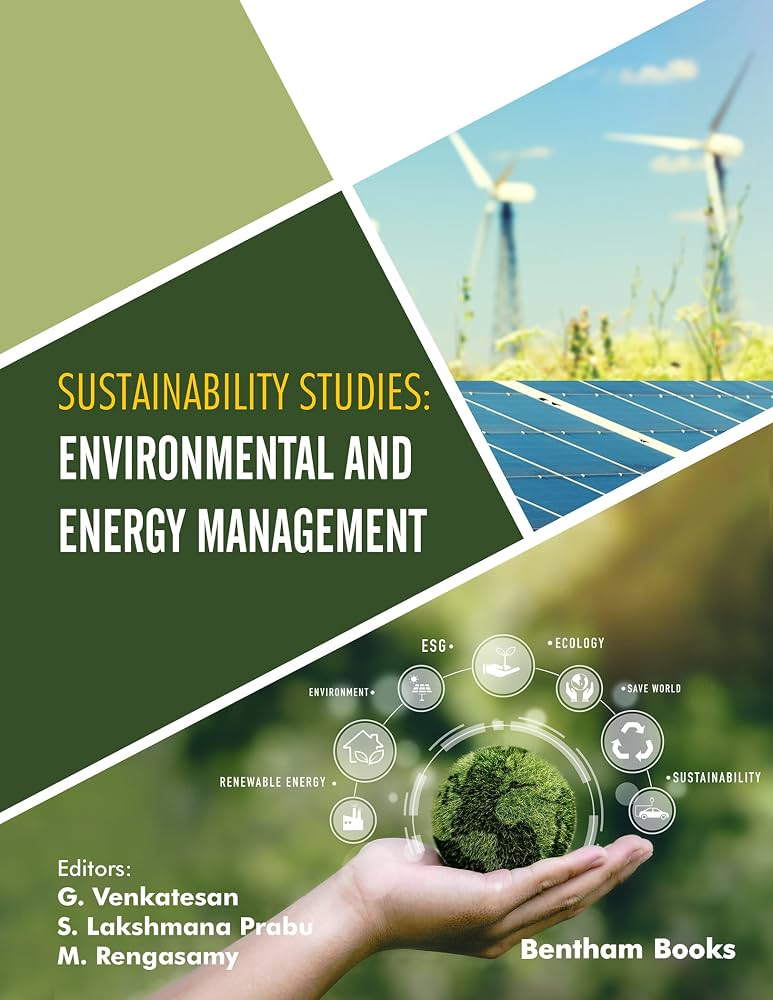
Environmental Progress and the Shift to Sustainable Energy
Environmental progress depends on choices made by governments, businesses, communities, and individuals. One of the most important choices is how energy is produced and used. Moving toward sustainable energy can help reduce pollution, limit greenhouse gas emissions, and create a more resilient energy system.
Why Sustainable Energy Matters
Energy powers homes, transportation, industry, and essential services. When it comes from fossil fuels such as coal, oil, and natural gas, its production and use can release greenhouse gases and other pollutants. These emissions contribute to climate change and can affect air quality and public health.
Sustainable energy sources—including solar, wind, hydropower, and geothermal energy—can provide electricity with lower emissions over their operating life than conventional fossil-fuel sources. Improving energy efficiency also matters: using less energy to provide the same service can lower costs, reduce pollution, and ease pressure on power systems.
Progress in Clean Energy
Clean energy is becoming a more visible part of the global energy mix. Solar panels and wind turbines are being installed in more places, while advances in battery storage and grid technology are helping electricity systems manage changing supply and demand. In many communities, rooftop solar, community energy projects, and electric vehicles are giving people new ways to participate in the transition.
Progress is not limited to electricity. Buildings can use better insulation, efficient heating and cooling, and smart controls to reduce energy use. Industries can adopt cleaner equipment and processes, while public transportation, walking, cycling, and electric vehicles can help reduce emissions from travel.
Challenges to Address
The transition to sustainable energy requires careful planning. Renewable power can vary with weather and time of day, so grids need storage, flexible demand, reliable transmission, and a mix of energy sources. New infrastructure must also be planned with attention to land use, wildlife, local communities, and the responsible sourcing and recycling of materials.
Affordability and access are equally important. Energy policies and projects should benefit people across income levels and avoid leaving communities with higher costs or fewer options. Workers and regions that depend on traditional energy industries may need investment, training, and support as economies change.
How Communities Can Contribute
Communities can advance environmental progress by improving building efficiency, supporting well-planned clean-energy projects, expanding public transit, and protecting natural areas. Residents can explore practical steps such as reducing unnecessary energy use, choosing efficient appliances, and learning about renewable energy options available in their area.
Local decisions can have a broader impact when they are part of long-term plans. Clear goals, transparent information, and meaningful public participation help build trust and ensure that environmental initiatives respond to community needs.
Building a Sustainable Future
Environmental progress is not achieved through a single technology or policy. It comes from combining cleaner energy with efficiency, conservation, thoughtful planning, and fair access to opportunity. Continued investment and cooperation can help create energy systems that are cleaner, more reliable, and better prepared for the future.
The shift to sustainable energy is both a practical challenge and an opportunity. By making informed choices today, societies can reduce environmental harm while supporting healthier communities and a more resilient economy.
Environmental Progress and Sustainable Energy: 6 Frequently Asked Questions
- What is sustainable energy?
- How does renewable energy help the environment?
- What are the main types of renewable energy?
- Can renewable energy provide reliable electricity?
- What are the biggest challenges to transitioning to clean energy?
- How can individuals and communities support environmental progress and sustainable energy?
What is sustainable energy?
Sustainable energy comes from sources that can be replenished naturally and produce less pollution and greenhouse gas emissions than fossil fuels. Examples include solar, wind, hydropower, and geothermal energy. Using energy more efficiently is also an important part of sustainability because it reduces the amount of energy needed to power homes, businesses, and transportation.
How does renewable energy help the environment?
Renewable energy helps the environment by generating electricity from sources such as sunlight, wind, and flowing water, which produce little to no greenhouse gas emissions during operation. Replacing fossil fuels with renewables can reduce air pollution, slow climate change, and conserve finite natural resources. While renewable projects still require land and materials and should be planned carefully to protect wildlife and local communities, they can significantly reduce the environmental impact of energy production.
What are the main types of renewable energy?
The main types of renewable energy are solar, wind, hydropower, geothermal, and biomass. Solar energy captures sunlight for electricity or heat, while wind turbines use moving air to generate electricity. Hydropower harnesses flowing or falling water, and geothermal energy uses heat from beneath Earth’s surface. Biomass comes from organic materials, such as plant matter and certain forms of waste. Tidal and wave energy are also renewable sources, though they are less widely used.
Can renewable energy provide reliable electricity?
Yes. Renewable energy can provide reliable electricity when supported by a well-planned power system. Wind and solar output varies with weather and time of day, but energy storage, a connected and flexible electric grid, a diverse mix of renewable sources, and demand management can help balance supply and demand. Hydropower and geothermal energy can also provide steady electricity in suitable locations. Reliability depends on matching these resources to local needs and maintaining dependable infrastructure.
What are the biggest challenges to transitioning to clean energy?
The biggest challenges to transitioning to clean energy include upgrading power grids and expanding energy storage so electricity remains reliable when solar and wind output changes. The shift also requires significant upfront investment, faster and more predictable permitting, and responsible sourcing of materials for clean-energy technologies. At the same time, communities need affordable access to clean power, and workers and regions affected by the decline of fossil-fuel industries need support, training, and opportunities in the changing energy economy.
How can individuals and communities support environmental progress and sustainable energy?
Individuals and communities can support environmental progress and sustainable energy by reducing energy use, improving home and building efficiency, and choosing renewable electricity or installing solar panels where practical. Walking, biking, using public transit, and choosing efficient or electric vehicles can also reduce pollution. Communities can encourage clean-energy projects, energy-efficient buildings, recycling, and the protection of local natural areas. Supporting informed policies, local initiatives, and fair access to clean energy helps ensure the benefits reach more people.