
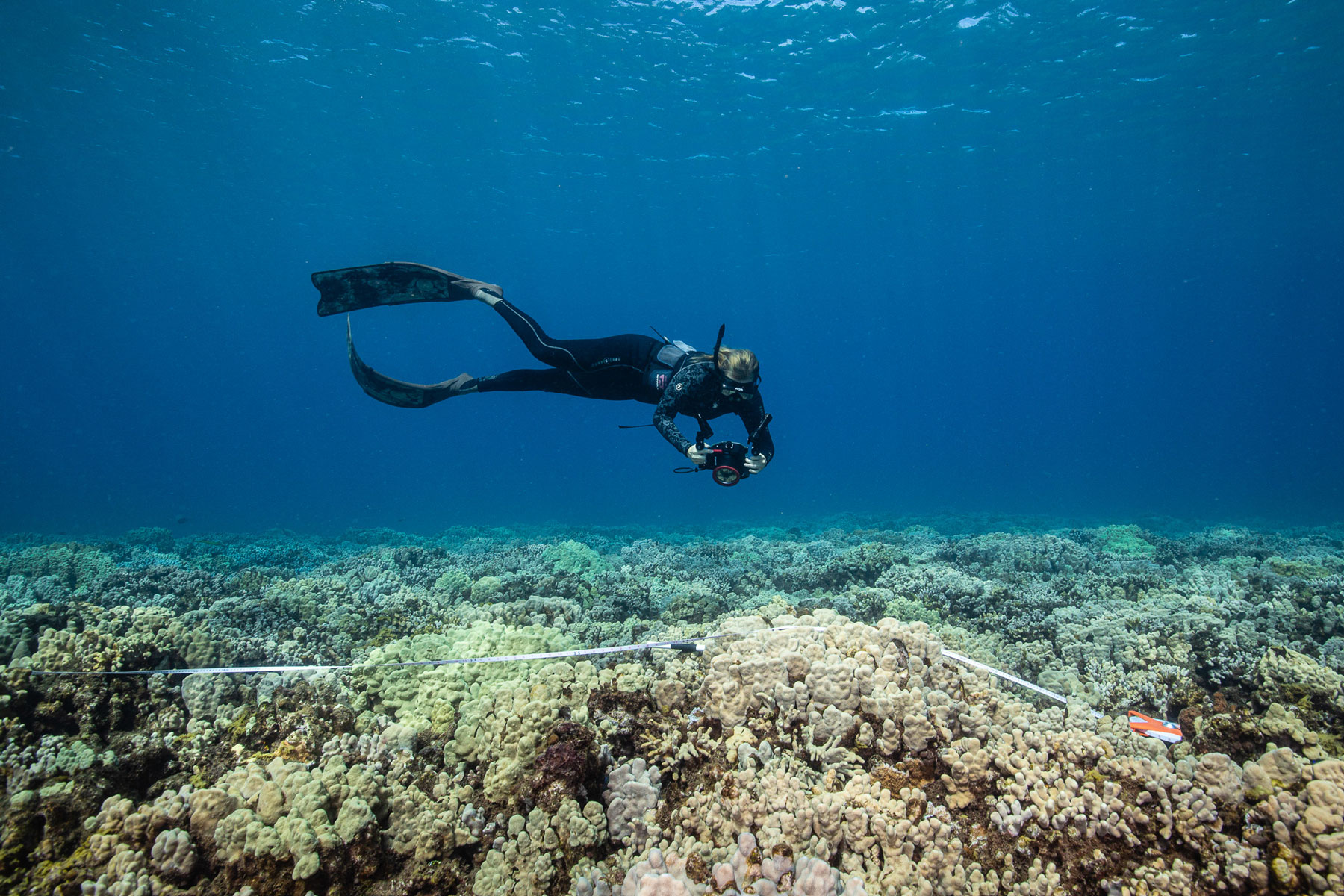
Global Conservation: Protecting the Natural World We Share
From forests and grasslands to rivers, oceans, and wetlands, Earth’s ecosystems support life around the world. They provide food and clean water, regulate the climate, shelter wildlife, and sustain the cultures and livelihoods of millions of people. Global conservation is the effort to protect these natural systems and use their resources responsibly—not only for the benefit of people today, but for generations to come.
Why Conservation Matters
Nature is deeply interconnected. A healthy forest can store carbon, reduce soil erosion, and provide habitat for countless species. A thriving wetland can absorb floodwaters and filter pollution. Healthy oceans support food security and influence weather and climate. When ecosystems are damaged, the effects can reach far beyond the immediate area.
Conservation also helps protect biodiversity—the variety of life on Earth, from plants and animals to fungi and microorganisms. Each species plays a role in its ecosystem. Losing species can weaken these systems and reduce their ability to withstand challenges such as disease, extreme weather, and environmental change.
Challenges Facing the Natural World
Conservation efforts must address several connected pressures. Habitat loss and fragmentation can occur when forests are cleared, wetlands are drained, or land is developed without careful planning. Pollution, overfishing, illegal wildlife trade, invasive species, and unsustainable resource use also threaten ecosystems.
Climate change adds further stress. Rising temperatures and changing rainfall patterns can alter habitats, shift species’ ranges, and increase the severity of droughts, fires, and coastal flooding. These pressures often affect communities that depend directly on local land and water for their livelihoods.
Conservation That Works for People and Nature
Effective conservation combines ecological knowledge with the needs and experience of local communities. Indigenous peoples and local communities have stewarded lands and waters for generations, and their rights, knowledge, and leadership are essential to many conservation efforts. Protecting nature is most durable when the people closest to it have a meaningful voice and benefit from its care.
Conservation can take many forms: restoring damaged habitats, protecting important areas, managing fisheries sustainably, reducing pollution, and creating wildlife corridors that connect fragmented landscapes. It can also include supporting farming and forestry practices that conserve soil and water while providing reliable livelihoods.
Protected areas can play an important role, but designation alone is not enough. These places need fair and effective management, adequate resources, and respect for the rights of people who live in or near them. Conservation goals are more likely to last when they are built through trust, collaboration, and long-term commitment.
How People Can Contribute
Large-scale change requires governments, businesses, scientists, community organizations, and individuals to work together. People can contribute by supporting credible conservation organizations, choosing products made with responsible practices, reducing waste, and learning about the ecosystems in their region.
Communities can also help shape local decisions about parks, rivers, forests, and development. Sharing knowledge, participating in restoration projects, and advocating for strong environmental policies can make a meaningful difference. Small actions do not replace broader reforms, but they can strengthen a culture of care and accountability.
A Shared Responsibility
Global conservation is not about keeping people separate from nature. It is about recognizing that human well-being depends on healthy ecosystems and finding fair, practical ways to protect them. The work is complex, but progress is possible when science, local knowledge, and cooperation guide decisions.
Safeguarding the natural world is a shared responsibility. Every restored habitat, protected watershed, and responsibly managed resource helps build a healthier future for people and wildlife alike.
7 Key Benefits of Global Conservation: Ensuring a Sustainable Future
- Protects biodiversity.
- Preserves vital habitats.
- Helps stabilize the climate.
- Safeguards clean water and air.
- Supports sustainable livelihoods.
- Strengthens food security.
- Benefits future generations.
Challenges of Global Conservation: Costs, Access, Conflicts, and Delayed Results
- Can be expensive to fund and maintain.
- May restrict access to land and resources.
- Can create conflicts with local livelihoods.
- Results may take years to become visible.
Protects biodiversity.
Global conservation helps protect biodiversity by preserving the habitats that plants, animals, and other organisms need to survive. Protecting forests, oceans, wetlands, and grasslands can reduce species loss and support healthy, resilient ecosystems. Biodiversity also benefits people by sustaining food systems, providing sources of medicine, and helping nature adapt to environmental changes.
Preserves vital habitats.
Global conservation helps preserve vital habitats, from tropical forests and wetlands to coral reefs and grasslands. Protecting these places gives wildlife the space and resources it needs to feed, reproduce, and thrive, while also maintaining the natural systems people depend on for clean water, healthy soils, and climate stability. By preventing habitat destruction and restoring damaged ecosystems, conservation efforts help safeguard biodiversity for future generations.
Helps stabilize the climate.
Global conservation helps stabilize the climate by protecting forests, wetlands, grasslands, and oceans that absorb and store carbon dioxide. Healthy ecosystems also regulate water cycles and local temperatures, while restoring damaged habitats can increase the amount of carbon captured from the atmosphere. By conserving these natural systems, communities can reduce climate pressures and strengthen resilience to droughts, floods, heat, and other extreme weather.
Safeguards clean water and air.
Global conservation helps safeguard clean water and air by protecting forests, wetlands, rivers, and other natural systems that filter pollution and support healthy ecosystems. Trees absorb some air pollutants and store carbon, while wetlands and healthy watersheds can trap sediment and help reduce contaminants before they reach drinking-water sources. By conserving these natural resources, communities can strengthen public health, support wildlife, and preserve essential supplies of clean water and breathable air for future generations.
Supports sustainable livelihoods.
Global conservation can support sustainable livelihoods by helping communities manage natural resources in ways that provide long-term income without exhausting the ecosystems they depend on. Practices such as responsible fishing, community-based forestry, regenerative agriculture, and ecotourism can create jobs while protecting wildlife, water, and soil. When local people have a meaningful role in conservation and share in its benefits, they can strengthen both their economic security and the health of their surroundings.
Strengthens food security.
Global conservation strengthens food security by protecting the ecosystems that food production depends on. Healthy soils, clean water, pollinators, forests, and oceans support crops, livestock, fisheries, and the communities that rely on them. Conserving biodiversity also helps make food systems more resilient to pests, disease, and climate-related disruptions. By managing land and water resources sustainably, conservation can help ensure that nutritious food remains available for people now and in the future.
Benefits future generations.
Global conservation benefits future generations by protecting the forests, oceans, wildlife, and natural resources they will depend on. Conserving healthy ecosystems helps preserve clean air and water, supports food supplies, and reduces the impacts of climate change and habitat loss. By making thoughtful choices today, communities can pass on a more resilient planet and a richer natural heritage to those who come next.
Can be expensive to fund and maintain.
Global conservation can be expensive to fund and maintain. Protecting habitats, restoring damaged ecosystems, monitoring wildlife, and supporting local communities require ongoing staff, equipment, research, and infrastructure. These costs can be difficult for governments and conservation organizations to sustain, especially in regions with limited resources. When funding is short-term or unreliable, important programs may be reduced, leaving conservation gains vulnerable over time.
May restrict access to land and resources.
Global conservation efforts can sometimes restrict local communities’ access to land and natural resources they have relied on for generations. Limits on activities such as farming, fishing, grazing, or gathering fuel and medicinal plants may disrupt livelihoods, cultural traditions, and food security—especially when decisions are made without meaningful community input. Conservation is more equitable and effective when local people help shape the rules, their rights are respected, and they share in the benefits of protecting the area.
Can create conflicts with local livelihoods.
Global conservation efforts can sometimes conflict with local livelihoods when new restrictions limit access to land, forests, or fishing grounds that communities rely on for food and income. If decisions are made without meaningful local participation or fair alternatives, conservation policies may impose serious economic hardships and weaken cultural traditions. Working with communities from the start, respecting their rights, and ensuring they share in the benefits of conservation can help reduce these conflicts.
Results may take years to become visible.
One challenge of global conservation is that results may take years to become visible. Restoring forests, rebuilding wildlife populations, and helping ecosystems recover are slow processes, while funding and public attention can shift quickly. This delay may make it difficult for communities and supporters to see the value of their efforts, even when important progress is underway. Long-term commitment, careful monitoring, and clear communication about early signs of improvement can help sustain support.