
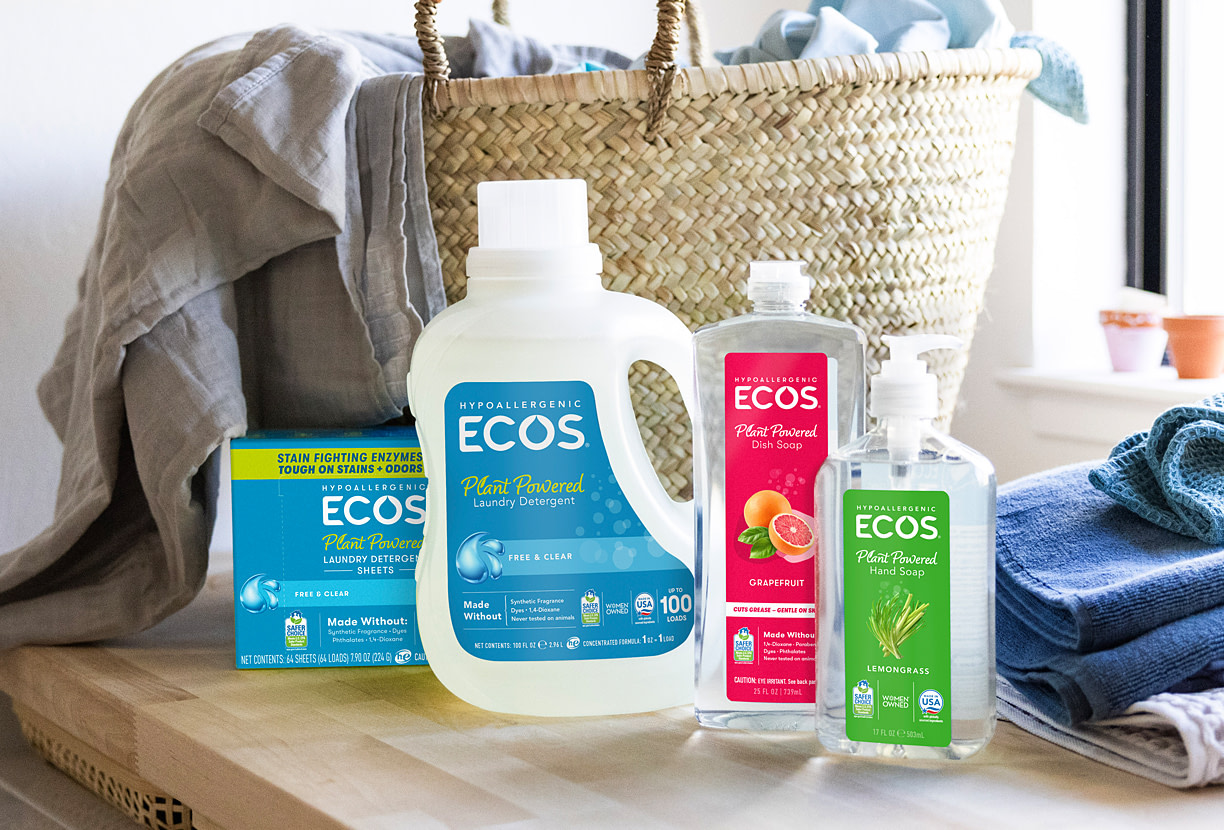
Eco-Friendly Household Products: Simple Swaps for a Greener Home
Everyday household products can affect the amount of waste we create, the resources we use, and the chemicals that enter our homes and waterways. Choosing more eco-friendly options is one way to reduce that impact. You don’t have to replace everything at once: using up what you already own and making thoughtful swaps over time can be a practical place to start.
What Makes a Household Product Eco-Friendly?
There’s no single label that makes a product environmentally friendly in every way. A useful choice may be reusable, durable, made with recycled or responsibly sourced materials, or designed to use less packaging. Some products may also be refillable or made with ingredients that break down more readily in the environment.
Consider a product’s full life cycle: what it’s made from, how long it lasts, how it is packaged, and what happens when it is no longer usable. A reusable item, for example, is most helpful when it replaces enough disposable products to offset the resources used to make it.
Everyday Swaps to Consider
Reusable Cleaning Tools
Washable cloths, durable scrub brushes, and refillable spray bottles can reduce reliance on disposable wipes and other single-use supplies. Choose tools that are easy to clean and built to last. Replacing an item only when needed is often more sustainable than buying a new “green” version of something that still works.
Concentrated and Refill Cleaning Products
Concentrated cleaners and refill systems may reduce packaging and shipping weight. Follow label directions carefully, especially when diluting concentrates. Never mix cleaning products—particularly bleach with ammonia or acids—as dangerous gases can result. Store all cleaners securely and keep them away from children and pets.
Reusable Food Storage
Containers, lunch bags, and washable food wraps can help cut down on disposable packaging. The best option depends on how you use and care for it. Choose materials that suit the food and temperature, and replace damaged items when necessary.
Energy- and Water-Saving Products
LED bulbs, efficient showerheads, and faucet aerators can help reduce household energy or water use. Look for products that fit your home and check manufacturer specifications before buying. Small changes, such as washing full loads of laundry and turning off lights when they’re not needed, can also make a difference.
Lower-Waste Paper Goods
When disposable paper products are necessary, consider options made with recycled content or sourced from responsibly managed forests. For items such as napkins and cleaning cloths, washable alternatives may work well if they’re used repeatedly and laundered efficiently.
How to Shop More Thoughtfully
- Use what you have first. Discarding usable products just to replace them can create unnecessary waste.
- Look for durability and repairability. A product that lasts longer may be a better choice than one that needs frequent replacement.
- Check packaging and refill options. Recyclability varies by location, so confirm what your local recycling program accepts.
- Read labels critically. Broad claims such as “natural” or “green” don’t always explain a product’s environmental impact.
- Buy only what you need. The most sustainable product may be the one you already own—or don’t buy at all.
A More Sustainable Home, One Choice at a Time
Eco-friendly household products can help reduce waste and conserve resources, but no single purchase makes a home sustainable. Focus on practical changes that fit your budget and routine. Reuse items, maintain them well, and replace products thoughtfully. Small, consistent choices can add up over time.
8 Tips for Choosing Eco-Friendly Household Products
- Choose reusable cloths instead of paper towels.
- Use refillable soap and cleaning products.
- Pick products with minimal packaging.
- Try biodegradable dish soap.
- Use rechargeable batteries.
- Choose durable items that last longer.
- Look for recycled materials.
- Avoid products with unnecessary fragrances.
Choose reusable cloths instead of paper towels.
Choose reusable cloths instead of paper towels to cut down on single-use waste around the house. Keep a small stack in the kitchen for wiping counters, cleaning spills, or drying hands, then wash and reuse them as needed. For best results, choose durable cloths that can handle frequent laundering, and use separate ones for different tasks.
Use refillable soap and cleaning products.
Using refillable soap and cleaning products can help reduce the number of plastic bottles your household throws away. Choose products with refill stations, recyclable packaging, or concentrated formulas that you dilute at home, and reuse sturdy bottles for as long as they remain in good condition. Follow the product directions when refilling and storing cleaners, and never mix different cleaning products.
Pick products with minimal packaging.
Choose household products with minimal packaging to reduce waste and conserve resources. Look for concentrated cleaners, refill options, or items sold in recyclable or reusable containers, and avoid unnecessary layers of plastic and cardboard when possible. Since recycling rules vary by location, check what your local program accepts, and choose packaging you can reuse or recycle responsibly.
Try biodegradable dish soap.
Try biodegradable dish soap to help reduce the impact of everyday washing on waterways. Look for clear ingredient and disposal information, and use only the amount you need—“biodegradable” doesn’t mean harmless in every situation. If you use a septic system or wash dishes outdoors, check that the soap is suitable for that use, and follow local guidance for wastewater disposal.
Use rechargeable batteries.
Rechargeable batteries are a simple way to reduce household waste and avoid repeatedly buying disposable batteries. They’re especially useful for frequently used devices, such as remote controls, toys, and wireless accessories. Choose a charger and batteries that are compatible with your devices, and follow the manufacturer’s instructions for charging, storage, and disposal. When rechargeable batteries reach the end of their life, take them to an appropriate battery recycling or collection program rather than putting them in the trash.
Choose durable items that last longer.
Choose durable household items that are made to last, such as sturdy cleaning tools, reusable food containers, and well-made linens. Although they may cost more upfront, long-lasting products need to be replaced less often, which can save money and reduce waste over time. Check materials, construction, and care instructions before buying, and maintain items properly to extend their useful life.
Look for recycled materials.
Look for household products made with recycled materials, such as paper goods, storage containers, or cleaning tools. Choosing recycled content can help reduce demand for virgin resources and keep useful materials in circulation. Check product labels for details about the recycled content, and remember that durable, reusable items are often the best choice when they fit your needs.
Avoid products with unnecessary fragrances.
Choose household products without unnecessary fragrances to reduce exposure to added scent ingredients and keep indoor air from becoming overly perfumed. Fragrance-free cleaners, laundry detergents, and soaps can be a practical option for people sensitive to scents, and they may contain fewer unnecessary additives. Check product labels carefully: “unscented” products can still contain ingredients that mask odors, while “fragrance-free” generally indicates that fragrance has not been added.