
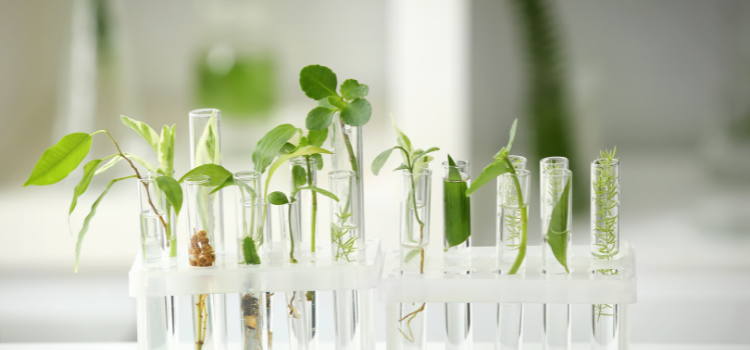
Plant Conservation: Protecting the Roots of Life
Plants sustain life on Earth. They produce oxygen, store carbon, enrich soil, regulate water cycles, and provide food and shelter for people and wildlife. Yet many plant species and the habitats they depend on are under increasing pressure. Plant conservation helps protect this vital natural heritage and the benefits it provides to ecosystems and communities.
Why Plant Diversity Matters
Plant diversity supports healthy, resilient ecosystems. Native plants provide food and habitat for insects, birds, and other animals. Forests, grasslands, wetlands, and deserts each host plant communities adapted to local conditions. When these communities are diverse, ecosystems are often better able to withstand disturbances such as drought, disease, and extreme weather.
People also depend on plants in countless ways. Crops, medicines, building materials, fibers, and many other essentials come from the plant world. Wild plant relatives can help researchers develop crops that are more resistant to pests, heat, or disease. Conserving plant diversity therefore helps safeguard resources for future generations.
Threats to Plants
Habitat loss is one of the most significant threats to plant life. Development, agriculture, mining, and infrastructure can destroy or fragment natural areas. Climate change is also shifting temperatures and rainfall patterns, making it harder for some species to survive in their traditional habitats. Other pressures include invasive species, pollution, overharvesting, and changes to natural fire and water cycles.
These threats can reinforce one another. A small, isolated plant population may already have limited genetic diversity. If its habitat is then affected by drought, invasive species, or development, it may have fewer ways to recover.
How Plant Conservation Works
Conservation efforts can protect plants in their natural habitats or preserve them outside those habitats. Protecting forests, wetlands, and other ecosystems allows plant communities to continue growing and evolving in place. Restoration projects can help repair damaged habitats by removing invasive species, improving soil and water conditions, and reintroducing native plants.
Botanical gardens, seed banks, and research institutions also play an important role. They can maintain seeds or living collections, study threatened species, and support recovery programs. These approaches do not replace the need to protect natural habitats, but they can provide a safeguard for species at risk of disappearing.
What Individuals Can Do
Everyday choices can contribute to plant conservation. Gardening with native species provides food and shelter for local wildlife while reducing the need for some chemical treatments and frequent watering. Choosing responsibly sourced products, avoiding the spread of invasive plants, and supporting habitat protection can also make a difference.
People can learn which plants are native or threatened in their region through local conservation groups, botanical gardens, extension services, and public land agencies. When exploring natural areas, staying on marked paths and avoiding the collection of wild plants helps protect fragile habitats. Community science projects, volunteer restoration days, and donations to reputable conservation organizations offer additional ways to get involved.
A Shared Responsibility
Plant conservation is not only about saving individual species. It is about maintaining the relationships between plants, wildlife, people, and the landscapes they share. Protecting plant diversity strengthens ecosystems and helps communities adapt to environmental change. With thoughtful stewardship and sustained conservation efforts, more of the world’s remarkable plant life can continue to thrive.
Exploring Plant Conservation: Key Questions and Strategies
- How can you conserve plants?
- What are the four types of conservation?
- Do plants have conservation status?
- What can be done to conserve plants?
- What are the 4 types of conservation?
- What is plant conservation?
- What is the NC plant conservation program?
How can you conserve plants?
You can conserve plants by protecting their natural habitats, growing native species, and avoiding invasive plants that can crowd out local flora. Use water and fertilizers responsibly, never collect rare or wild plants, and choose sustainably sourced plant products. You can also volunteer for habitat restoration, support conservation organizations, and help others learn why plant diversity matters.
What are the four types of conservation?
There isn’t one universally accepted list of four conservation types, but plant conservation commonly combines four approaches: in-situ conservation, which protects plants in their natural habitats; ex-situ conservation, which safeguards them in seed banks, botanical gardens, or other collections; habitat restoration, which repairs ecosystems damaged by human activity or environmental change; and sustainable management, which uses plants and natural resources in ways that allow populations and habitats to recover. These approaches often work best together.
Do plants have conservation status?
Yes. Many plants have an official conservation status that describes their risk of extinction. Organizations such as the International Union for Conservation of Nature (IUCN) assess species using factors including population size, geographic range, and trends over time. Categories range from “Least Concern” to “Critically Endangered,” with “Extinct” indicating that no individuals remain. A plant’s status can vary between regions, and not every species has been assessed, so local conservation resources may offer additional information.
What can be done to conserve plants?
Plants can be conserved by protecting and restoring their natural habitats, reducing pollution, and limiting the spread of invasive species. Individuals can plant native species, avoid picking wildflowers or removing plants from natural areas, and choose sustainably sourced products. Supporting botanical gardens, seed banks, conservation groups, and local restoration projects also helps protect threatened plants and preserve biodiversity for future generations.
What are the 4 types of conservation?
There isn’t one universally accepted list of four conservation types, but plant conservation is often described through four complementary approaches: in-situ conservation, which protects plants in their natural habitats; ex-situ conservation, which safeguards them outside the wild in seed banks, botanical gardens, or living collections; habitat restoration, which repairs damaged ecosystems and may reintroduce native plants; and sustainable use and management, which helps ensure that harvesting, land use, and development do not threaten plant populations. Together, these approaches protect species, preserve genetic diversity, and support healthy ecosystems.
What is plant conservation?
Plant conservation is the protection and careful management of plant species and the habitats they depend on. It includes efforts such as preserving natural areas, restoring damaged ecosystems, preventing the spread of invasive species, and safeguarding seeds or plants in botanical gardens and seed banks. These actions help prevent plant extinctions, maintain healthy ecosystems, and protect the food, medicine, and other resources people and wildlife rely on.
What is the NC plant conservation program?
The North Carolina Plant Conservation Program is a program of the North Carolina Department of Agriculture and Consumer Services that works to protect the state’s endangered, threatened, and other at-risk native plants. Its efforts include monitoring rare plant populations, supporting habitat protection and restoration, and helping conserve species through research and propagation. The program also provides information about protected plants and works with landowners, agencies, researchers, and conservation groups to help preserve North Carolina’s native plant diversity.