
“`html
The 17 Sustainable Development Goals: A Blueprint for a Sustainable Future
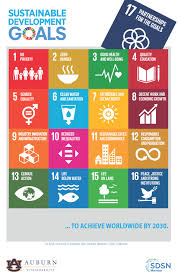
In 2015, world leaders came together at the United Nations to adopt the 17 Sustainable Development Goals (SDGs). These goals, also known as the Global Goals, are a universal call to action to end poverty, protect the planet, and ensure prosperity for all by 2030.
The Goals:
- No Poverty
- Zero Hunger
- Good Health and Well-being
- Quality Education
- Gender Equality
- Clean Water and Sanitation
- Affordable and Clean Energy
- Decent Work and Economic Growth
- Industry, Innovation, and Infrastructure
- Reduced Inequality
- Sustainable Cities and Communities
- Responsible Consumption and Production
- Climate Action
- Life Below Water
- Life on Land
- Peace, Justice, and Strong Institutions
- Partnerships for the Goals
To achieve these goals, collaboration between governments, businesses, civil society organizations, and individuals is essential. Each goal addresses a specific area of sustainable development that is crucial for creating a better future for all.
The Importance of the SDGs:
The SDGs provide a roadmap for addressing some of the most pressing challenges facing our world today. From ending poverty and hunger to combating climate change and promoting gender equality, these goals set ambitious targets that require collective action at both local and global levels.
Your Role:
As individuals, we can contribute to the achievement of the SDGs by making sustainable choices in our daily lives, advocating for policy changes that support sustainable development, and supporting organizations that work towards these goals. Together, we can build a more equitable, resilient, and sustainable future for generations to come.
“`
9 Key Benefits of Embracing the 17 Sustainable Development Goals
- Addresses poverty and hunger to create a more equitable society.
- Promotes good health and well-being for all individuals.
- Focuses on quality education to empower current and future generations.
- Advocates for gender equality, ensuring equal opportunities for all genders.
- Emphasizes clean water and sanitation, essential for human health and environmental sustainability.
- Encourages affordable and clean energy sources, reducing reliance on fossil fuels.
- Supports sustainable cities and communities through efficient urban planning.
- Promotes responsible consumption and production practices to minimize waste.
- Advocates for climate action to mitigate the impacts of global warming.
Challenges and Obstacles in Implementing the 17 Sustainable Development Goals
- Implementing all 17 Sustainable Development Goals simultaneously may be overwhelming for some countries or organizations.
- Resource constraints and funding limitations can hinder the progress towards achieving all the goals.
- Balancing economic growth with environmental sustainability goals may pose challenges for certain industries.
- Achieving gender equality and empowering women, as outlined in the goals, may face resistance in some societies.
- Ensuring access to quality education for all, especially in remote or underprivileged areas, remains a significant challenge.
- Addressing climate change through the Climate Action goal requires coordinated global efforts that can be complex to implement.
- Some of the goals may require policy changes that are politically sensitive and difficult to enact.
Addresses poverty and hunger to create a more equitable society.
One of the key benefits of the 17 Sustainable Development Goals is their focus on addressing poverty and hunger to create a more equitable society. By targeting these fundamental issues, the goals aim to uplift marginalized communities and ensure that everyone has access to basic necessities such as food and resources. Through sustainable practices and inclusive policies, the goals work towards building a world where no one is left behind, fostering a more just and equitable society for all.
Promotes good health and well-being for all individuals.
The Sustainable Development Goal focused on promoting good health and well-being for all individuals is a crucial aspect of creating a sustainable future. By prioritizing access to quality healthcare services, promoting mental and physical well-being, and ensuring universal health coverage, this goal aims to improve the overall quality of life for people worldwide. Addressing health inequalities, combating diseases, and promoting healthy lifestyles are key components of achieving this goal, ultimately leading to healthier populations and thriving communities.
Focuses on quality education to empower current and future generations.
The Sustainable Development Goals place a strong emphasis on quality education as a key proponent in empowering both current and future generations. By prioritizing education, the goals aim to ensure that all individuals have access to inclusive and equitable learning opportunities that can positively impact their lives. Quality education not only enhances knowledge and skills but also fosters critical thinking, creativity, and innovation. By investing in education, the SDGs pave the way for individuals to reach their full potential, contribute meaningfully to society, and drive sustainable development forward for a brighter future.
Advocates for gender equality, ensuring equal opportunities for all genders.
One of the key advantages of the 17 Sustainable Development Goals is their strong advocacy for gender equality, aiming to ensure equal opportunities for all genders. By promoting gender equality as a fundamental human right and a necessary foundation for a peaceful, prosperous, and sustainable world, these goals strive to break down barriers and empower individuals of all genders to fully participate in society. Through targeted initiatives and policies, the SDGs work towards creating a more inclusive and equitable world where everyone has the chance to thrive and contribute their talents without discrimination based on gender.
Emphasizes clean water and sanitation, essential for human health and environmental sustainability.
The Sustainable Development Goals place a strong emphasis on clean water and sanitation, recognizing them as fundamental pillars for human health and environmental sustainability. Access to clean water and proper sanitation not only improves public health by preventing waterborne diseases but also contributes to the overall well-being of communities. Furthermore, promoting clean water and sanitation practices is crucial for protecting ecosystems and ensuring the long-term sustainability of our environment. By prioritizing this goal, we can create a healthier and more sustainable world for current and future generations.
Encourages affordable and clean energy sources, reducing reliance on fossil fuels.
The Sustainable Development Goals emphasize the importance of promoting affordable and clean energy sources, aiming to reduce our dependence on fossil fuels. By prioritizing renewable energy sources such as solar, wind, and hydroelectric power, these goals pave the way for a more sustainable future. Transitioning to cleaner energy alternatives not only helps combat climate change but also improves air quality and public health. Investing in renewable energy technologies creates new economic opportunities while reducing greenhouse gas emissions, contributing to a healthier and more environmentally friendly planet for current and future generations.
Supports sustainable cities and communities through efficient urban planning.
Efficient urban planning, as supported by the Sustainable Development Goal of “Sustainable Cities and Communities,” plays a crucial role in creating livable, resilient, and sustainable urban areas. By promoting compact, well-connected cities with accessible green spaces and efficient public transportation systems, this goal aims to enhance the quality of life for residents while reducing environmental impact. Through smart urban design and infrastructure development, communities can thrive economically, socially, and environmentally, fostering a more inclusive and harmonious living environment for all.
Promotes responsible consumption and production practices to minimize waste.
One of the key benefits of the 17 Sustainable Development Goals is their emphasis on promoting responsible consumption and production practices to minimize waste. By encouraging sustainable resource management, efficient production processes, and conscious consumer behavior, these goals aim to reduce environmental impact and enhance resource efficiency. Embracing sustainable practices not only helps protect the planet’s natural resources but also fosters a more circular economy where materials are reused, recycled, or repurposed, leading to a healthier and more sustainable future for all.
Advocates for climate action to mitigate the impacts of global warming.
The Sustainable Development Goals advocate for climate action to mitigate the impacts of global warming. By emphasizing the importance of addressing climate change, these goals encourage countries and communities to take proactive measures to reduce greenhouse gas emissions, promote renewable energy sources, and implement sustainable practices. Through collective efforts to combat climate change, we can work towards a more resilient and environmentally sustainable future for our planet and future generations.
Implementing all 17 Sustainable Development Goals simultaneously may be overwhelming for some countries or organizations.
Implementing all 17 Sustainable Development Goals simultaneously may pose a significant challenge for some countries or organizations. The breadth and complexity of the goals require substantial resources, coordination, and capacity-building efforts. Prioritizing and effectively addressing each goal while balancing competing demands can be overwhelming, especially for those with limited resources or facing other pressing issues. It is crucial for countries and organizations to develop tailored strategies, seek partnerships, and gradually work towards achieving the goals in a sustainable and feasible manner to ensure meaningful progress towards a more sustainable future.
Resource constraints and funding limitations can hinder the progress towards achieving all the goals.
“`html
One significant challenge associated with the 17 sustainable goals is the con of resource constraints and funding limitations, which can impede progress towards achieving all the goals. Without adequate financial resources and support, it becomes difficult to implement the necessary initiatives and projects required to address each goal effectively. Limited funding can lead to delays in crucial interventions, reduced impact on target populations, and an overall slower pace of advancement towards sustainable development. Overcoming these constraints requires innovative financing mechanisms, increased investment in sustainable solutions, and stronger partnerships between stakeholders to ensure that no goal is left behind due to financial limitations.
“`
Balancing economic growth with environmental sustainability goals may pose challenges for certain industries.
One significant challenge posed by the 17 sustainable goals is the need to balance economic growth with environmental sustainability objectives, which can be particularly challenging for certain industries. Industries that heavily rely on resource extraction or production processes with high environmental impact may face difficulties in aligning their business practices with the goals of protecting the environment and promoting sustainability. Finding ways to reconcile economic growth with sustainable practices requires innovative solutions and a shift towards more environmentally conscious business models, highlighting the importance of transitioning towards a greener and more sustainable economy.
Achieving gender equality and empowering women, as outlined in the goals, may face resistance in some societies.
One significant challenge associated with the 17 sustainable goals is the potential resistance faced in achieving gender equality and empowering women, as outlined in the goals. In some societies, deeply ingrained cultural norms, discriminatory practices, and unequal power dynamics may hinder progress towards gender equality. Overcoming these barriers requires addressing systemic issues, challenging traditional beliefs, and advocating for policies that promote gender equity. Despite the resistance encountered, it is crucial to continue working towards empowering women and ensuring equal rights for all individuals to create a more inclusive and sustainable world.
Ensuring access to quality education for all, especially in remote or underprivileged areas, remains a significant challenge.
Ensuring access to quality education for all, especially in remote or underprivileged areas, remains a significant challenge. Limited resources, inadequate infrastructure, and socio-economic disparities often hinder the delivery of education to those who need it the most. Without equitable access to quality education, individuals in these areas may face barriers to personal growth, economic opportunities, and social mobility. Addressing this con of the 17 sustainable goals requires targeted interventions, increased investment in education systems, and innovative approaches to reach marginalized communities effectively. By prioritizing inclusive and accessible education solutions, we can work towards bridging the gap and ensuring that every individual has the opportunity to fulfill their potential through learning.
Addressing climate change through the Climate Action goal requires coordinated global efforts that can be complex to implement.
Addressing climate change through the Climate Action goal of the 17 Sustainable Development Goals presents a significant challenge due to the need for coordinated global efforts, which can be complex to implement. Climate change is a complex, interconnected issue that requires cooperation among countries, industries, and communities worldwide. Developing and implementing effective strategies to reduce greenhouse gas emissions, promote renewable energy sources, and mitigate the impacts of climate change demands extensive collaboration and coordination across borders and sectors. Overcoming these challenges will require sustained commitment, innovative solutions, and strong partnerships to achieve meaningful progress towards a more sustainable future.
Some of the goals may require policy changes that are politically sensitive and difficult to enact.
One significant challenge associated with the 17 sustainable goals is that some of them may necessitate policy changes that are politically sensitive and challenging to implement. Addressing issues such as climate action, reducing inequality, and promoting sustainable consumption often requires legislative reforms and governmental interventions that may face resistance from various stakeholders. Overcoming these obstacles will require strong leadership, effective communication, and a collaborative approach to navigate the complexities of policy-making in order to achieve meaningful progress towards a more sustainable future.