
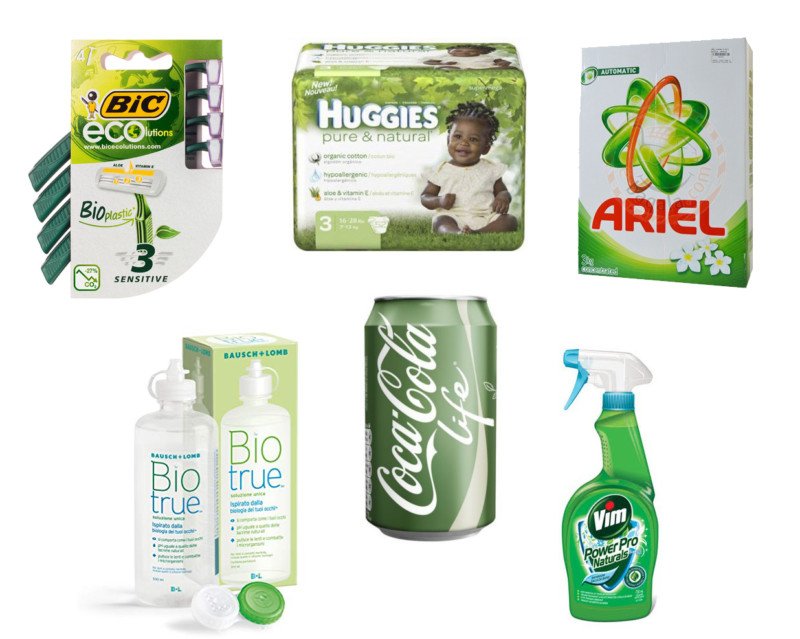
Eco-Friendly Products: Practical Examples for Everyday Life
Eco-friendly products are designed to reduce environmental impacts compared with conventional alternatives. They may use fewer resources, create less waste, last longer, or be easier to reuse or recycle. No product is impact-free, but choosing thoughtfully—and using items for as long as possible—can help reduce waste and conserve resources.
Reusable Bags and Containers
Reusable shopping bags, water bottles, coffee cups, and food containers can replace many single-use items. Look for sturdy products that are easy to clean and durable enough for frequent use. The environmental benefit depends on reusing them regularly; a reusable item used only once may not be a better choice than the disposable version it replaces.
Refillable and Concentrated Cleaning Products
Some household cleaners come in refillable bottles or concentrated formulas that need to be diluted with water. These options can reduce packaging and shipping weight. Refill stations and tablet-based cleaners may also help limit plastic packaging. Choose products suited to the surfaces in your home, and follow label directions for safe use.
Energy-Efficient Lighting and Appliances
LED light bulbs use less electricity and typically last longer than traditional incandescent bulbs. Energy-efficient refrigerators, washers, and other appliances can also reduce household energy use over time. In the United States, the ENERGY STAR label can help identify products that meet energy-efficiency standards.
Reusable Food Wraps and Kitchen Items
Cloth napkins, washable dish towels, silicone baking mats, and reusable food wraps can replace some disposable kitchen products. Their usefulness depends on durability, cleaning needs, and how often they are reused. For food safety, clean and care for them according to the manufacturer’s instructions.
Products Made From Recycled Materials
Notebooks, paper towels, clothing, and household goods may be made partly or entirely from recycled materials. Buying these products can support the use of recovered materials and help reduce demand for new resources. Check product labels for details, since recycled content can vary widely.
Durable Clothing and Repair Supplies
Clothing designed to last, secondhand garments, and basic sewing supplies can help extend the life of a wardrobe. Choosing versatile items, repairing small tears, and donating or reselling wearable clothing can reduce the need to buy new items as often. When shopping, consider construction, care requirements, and whether the item suits your actual needs.
Compostable and Recycled Paper Products
Recycled-content toilet paper, paper towels, and tissues are common alternatives to products made primarily from virgin fiber. Compostable plates and utensils may be useful in some settings, but “compostable” does not always mean they will break down in a backyard compost pile. Check local composting rules and the product’s disposal instructions.
Low-Flow Water Fixtures
Water-saving showerheads and faucet aerators can reduce water use while maintaining practical performance. They may also lower the energy needed to heat water. Product specifications can help you compare flow rates before buying.
How to Choose More Responsibly
- Start with what you already own. Using an existing item longer is often a better option than replacing it immediately with a new “green” product.
- Prioritize durability and repairability. Products that last can reduce the need for repeated purchases.
- Look beyond packaging claims. Check labels, materials, certifications, and care instructions rather than relying on vague terms such as “natural” or “green.”
- Consider the full life cycle. Think about how a product is made, how long it will be used, and what happens when it is no longer needed.
- Use and dispose of products correctly. Recycling, composting, and refill programs vary by location, so check local guidance.
Eco-friendly choices do not have to be complicated. Reusing everyday items, selecting efficient products, buying durable goods, and avoiding unnecessary purchases are practical ways to reduce environmental impact over time.
9 Benefits of Eco-Friendly Products for a Sustainable Future
- Reusable bags reduce single-use plastic waste.
- LED bulbs use less electricity.
- Refillable cleaners can cut packaging waste.
- Reusable bottles replace disposable drink containers.
- Recycled paper products conserve raw materials.
- Durable clothing can last longer.
- Low-flow fixtures help save water.
- Reusable food containers reduce disposable packaging.
- Repairable products can stay in use longer.
Understanding the Hidden Challenges of Eco-Friendly Products
- Some eco-friendly products cost more upfront.
- Reusable items need regular cleaning and care.
- Green labels can be confusing or misleading.
Reusable bags reduce single-use plastic waste.
Reusable bags are a simple example of an eco-friendly product because they can be used again and again instead of relying on single-use plastic bags. Bringing a sturdy bag when shopping helps reduce the number of disposable bags that may end up in landfills or pollute natural environments. For the greatest benefit, choose a durable bag and use it regularly.
LED bulbs use less electricity.
LED bulbs use less electricity than traditional incandescent bulbs while providing comparable light, which can help lower household energy use and utility bills. They also last longer, so they need to be replaced less often, reducing the number of bulbs thrown away over time.
Refillable cleaners can cut packaging waste.
Refillable cleaners can cut packaging waste by letting you reuse the same spray bottle or container instead of buying a new one each time. Many brands offer concentrated refills or cleaning tablets that take up less space and use less packaging than ready-to-use products. Over time, choosing refills and following local recycling guidance for any packaging can help reduce the amount of plastic and other waste sent to landfills.
Reusable bottles replace disposable drink containers.
Reusable bottles are a simple example of an eco-friendly product because they can replace disposable drink containers such as plastic water bottles and single-use cups. Using the same bottle again and again can help reduce packaging waste and the resources needed to make and transport throwaway containers. Choose one that’s durable, easy to clean, and convenient to carry so it becomes part of your daily routine.
Recycled paper products conserve raw materials.
Recycled paper products help conserve raw materials by using recovered paper instead of relying entirely on newly harvested trees. Choosing items such as notebooks, paper towels, and packaging made with recycled content can support the reuse of existing materials and reduce demand for virgin fibers. For the greatest benefit, look for clear information about recycled content and recycle paper products when local facilities accept them.
Durable clothing can last longer.
Durable clothing is one example of an eco-friendly product because it can last longer than cheaply made alternatives. Well-constructed garments made from sturdy materials can be worn repeatedly, repaired when needed, and kept out of landfills for longer. Choosing durable clothing may also reduce how often you need to shop, saving resources and money over time.
Low-flow fixtures help save water.
Low-flow fixtures, such as showerheads and faucet aerators, use less water than many standard models while still providing strong, comfortable performance. By reducing water use at home, they can help conserve local water supplies and lower water bills. Because heating less water also takes less energy, low-flow fixtures may help reduce household energy use, too.
Reusable food containers reduce disposable packaging.
Reusable food containers help reduce disposable packaging by replacing single-use bags, wraps, and takeout boxes. Using the same durable containers for lunches, leftovers, and snacks can mean less waste going to landfills and fewer new packaging materials being used. Choose containers that are easy to clean and sturdy enough for regular use, so they remain a practical part of your routine.
Repairable products can stay in use longer.
Repairable products can stay in use longer because worn or damaged parts can be fixed or replaced instead of requiring the entire item to be discarded. Choosing products with available spare parts, clear repair instructions, and accessible customer support can reduce waste and the need for frequent replacements. Examples include shoes with replaceable soles, electronics with replaceable batteries, and appliances with serviceable components.
Some eco-friendly products cost more upfront.
Some eco-friendly products cost more upfront than conventional alternatives, which can make them harder to afford on a tight budget. Reusable water bottles, energy-efficient appliances, and sustainably made clothing may have higher purchase prices, even if they can save money over time through lower utility bills or fewer replacements. Comparing prices, checking for rebates, and choosing one practical switch at a time can help make these options more accessible.
Reusable items need regular cleaning and care.
Reusable products can reduce waste, but they need regular cleaning and care to stay hygienic and last longer. Water bottles, food containers, shopping bags, and reusable wraps may need frequent washing, thorough drying, or special maintenance. This takes time and water, and if reusable items are not cleaned properly, they can develop odors, stains, or bacteria. Following the care instructions helps keep them safe and usable.
Green labels can be confusing or misleading.
Green labels can be confusing or misleading because terms like “eco-friendly,” “natural,” and “green” may not have clear, consistent standards. Some products highlight one environmental benefit while leaving out other impacts, and attractive packaging or vague claims can make it hard to compare options. Before buying, look for specific information—such as verified certifications, recycled-content percentages, or clear details about materials and disposal—and check whether the claim is supported by a trusted source.