
“`html
10 Examples of Renewable Resources
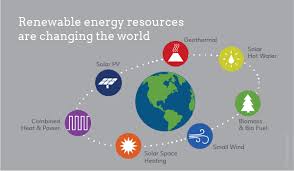
Renewable resources are essential for sustainable living and reducing our impact on the environment. Here are 10 examples of renewable resources:
- Solar Energy: Solar panels convert sunlight into electricity, providing a clean and abundant energy source.
- Wind Power: Wind turbines harness wind energy to generate electricity, offering a renewable alternative to fossil fuels.
- Hydropower: Hydroelectric power plants use flowing water to produce electricity, making use of the natural movement of rivers and streams.
- Biomass: Organic materials like wood chips, agricultural waste, and biofuels can be burned or converted into energy, offering a renewable fuel source.
- Geothermal Energy: Geothermal power plants tap into the Earth’s heat to generate electricity, providing a reliable and sustainable energy option.
- Tidal Energy: Tidal power systems harness the energy from ocean tides to generate electricity, utilizing the natural ebb and flow of the sea.
- Biofuels: Biofuels like ethanol and biodiesel are derived from organic materials such as corn or algae, offering a renewable alternative to traditional fossil fuels.
- Wave Energy: Wave power devices capture energy from ocean waves to generate electricity, utilizing the constant motion of the sea.
- Sustainable Forestry: Responsible forestry practices ensure that trees are replanted and managed sustainably, providing a continuous supply of wood products without depleting forests.
- Solar Water Heating: Solar thermal systems use sunlight to heat water for residential or commercial use, reducing the reliance on traditional water heating methods.
By embracing these renewable resources, we can move towards a more sustainable future while reducing our dependence on non-renewable fossil fuels. Incorporating these sources of energy and materials into our daily lives can help protect the planet for future generations.
“`
Exploring Renewable Resources: Answers to 6 Common Questions About Solar, Wind, Biomass, and More
- What are renewable resources?
- How do solar panels work to generate electricity?
- What is the difference between wind power and hydropower?
- Can biomass be used as a sustainable fuel source?
- How is geothermal energy harnessed for electricity generation?
- Are tidal power systems a reliable source of renewable energy?
What are renewable resources?
“`html
Renewable resources are natural sources of energy or materials that can be replenished over time, making them sustainable for long-term use. These resources are derived from sources that are continuously available or can be easily replenished, unlike finite resources such as fossil fuels. Examples of renewable resources include solar energy, wind power, hydropower, biomass, geothermal energy, tidal energy, biofuels, wave energy, sustainable forestry practices, and solar water heating. By harnessing these renewable resources, we can reduce our carbon footprint, minimize environmental impact, and move towards a more sustainable future for generations to come.
“`
How do solar panels work to generate electricity?
“`html
Solar panels work by harnessing the energy from sunlight to generate electricity through a process called the photovoltaic effect. Each solar panel is made up of multiple photovoltaic cells, typically composed of silicon. When sunlight hits these cells, it excites the electrons within the silicon, creating an electric current. This direct current (DC) is then converted into alternating current (AC) through an inverter, making it compatible with standard electrical systems in homes and businesses. The generated electricity can be used to power appliances, lighting, and other electrical devices, providing a clean and renewable energy source that helps reduce reliance on fossil fuels and lowers carbon emissions.
“`
What is the difference between wind power and hydropower?
“`html
Wind power and hydropower are both renewable sources of energy, but they harness different natural elements to generate electricity. Wind power involves using wind turbines to convert the kinetic energy of moving air into electrical power. On the other hand, hydropower relies on the force of flowing water, such as rivers or streams, to turn turbines and produce electricity. While both wind power and hydropower are clean energy alternatives to fossil fuels, their mechanisms of energy conversion differ based on the natural resources they utilize. Understanding the distinction between wind power and hydropower is essential for choosing the most suitable renewable energy solution based on location and resource availability.
“`
Can biomass be used as a sustainable fuel source?
“`html
Yes, biomass can be used as a sustainable fuel source. Biomass refers to organic materials such as wood chips, agricultural residues, and biofuels that can be burned or converted into energy. When managed responsibly, biomass can be a renewable and environmentally friendly alternative to fossil fuels. By utilizing biomass for energy production, we can reduce our reliance on non-renewable resources and lower greenhouse gas emissions. Sustainable practices such as reforestation and crop rotation ensure that biomass remains a viable fuel source for the long term, making it an important component of the transition to a more sustainable energy future.
“`
How is geothermal energy harnessed for electricity generation?
“`html
Geothermal energy is harnessed for electricity generation through the utilization of heat stored beneath the Earth’s surface. This renewable resource taps into the natural heat emanating from the Earth’s core, typically accessed through geothermal power plants. These plants drill deep wells to access hot water or steam reservoirs underground. The high-pressure steam or hot water is then brought to the surface and used to drive turbines connected to generators, producing electricity. Geothermal energy provides a reliable and sustainable source of power with minimal environmental impact, making it a valuable component of the renewable energy mix.
“`
Are tidal power systems a reliable source of renewable energy?
“`html
Yes, tidal power systems are considered a reliable source of renewable energy. Tidal energy harnesses the natural motion of ocean tides to generate electricity, providing a consistent and predictable power source. Unlike some other renewable resources that rely on weather conditions, such as wind or sunlight, tidal power is not affected by variations in weather patterns. Tides are influenced by gravitational forces from the moon and the sun, making them highly predictable and reliable for generating electricity. While tidal power systems require careful planning and engineering to maximize efficiency, they have the potential to play a significant role in our transition to cleaner energy sources and reduce our reliance on fossil fuels.
“`