
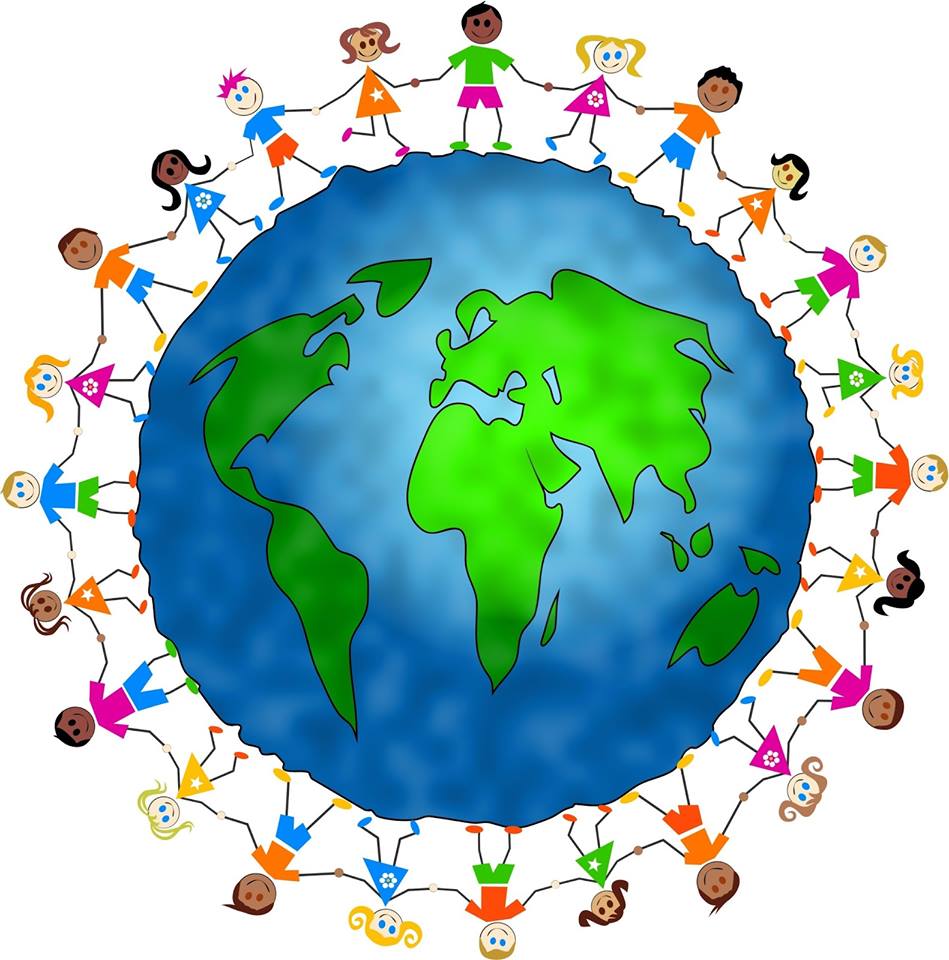
The Many Dimensions of Diversity
Diversity is the presence of different identities, experiences, perspectives, and ways of life within a community. It can include differences in race, ethnicity, age, gender, language, religion, disability, socioeconomic background, education, and more. Diversity is not limited to a checklist of traits; it reflects the many ways people experience the world.
Why Diversity Matters
When people with different perspectives come together, they can question assumptions, share knowledge, and find new ways to solve problems. In workplaces, schools, and communities, a range of experiences can help people better understand the needs of others and make more thoughtful decisions.
Diversity can also strengthen a sense of belonging. People are more likely to participate when they feel their backgrounds and perspectives are respected. That requires more than simply bringing different people together. It means making sure everyone has a fair chance to contribute and be heard.
From Representation to Inclusion
Representation matters, but it is only one part of the picture. A group may include people from many backgrounds and still fail to treat them equitably. Inclusion involves creating environments where people are welcomed, respected, and able to take part meaningfully.
Equity supports this work by recognizing that people may face different barriers and may need different resources or support to access the same opportunities. Treating everyone fairly does not always mean treating everyone identically.
Putting Diversity into Practice
Building a diverse and inclusive community takes ongoing effort. Organizations and individuals can begin by listening to people’s experiences, reviewing policies for unintended barriers, and making spaces and communications more accessible. They can also encourage respectful discussion and respond constructively when people raise concerns.
It is important to approach diversity with curiosity rather than assumption. No one person can speak for an entire group, and identities are often shaped by several experiences at once. Listening without defensiveness can help people learn from one another and build trust.
A Shared Responsibility
Diversity is a feature of human life, while inclusion is something people create through their choices and actions. Welcoming differences does not require everyone to agree on everything. It does require a commitment to respect, fairness, and meaningful participation.
By recognizing the many dimensions of diversity and addressing barriers to inclusion, communities can become more connected, creative, and responsive to the people they serve.
5 Key Benefits of Diversity in Communities
- Encourages fresh ideas and perspectives.
- Improves problem-solving through varied experiences.
- Fosters empathy and mutual understanding.
- Helps communities reflect the people they serve.
- Creates opportunities for broader participation.
7 Challenges of Diversity and Inclusion
- Communication can be harder when people have different languages or cultural norms.
- Misunderstandings may arise from differing perspectives.
- Building consensus can take more time.
- Unconscious bias can undermine inclusion.
- Some people may feel excluded if efforts are poorly managed.
- Conflicting expectations can create tension.
- Diversity without equitable participation may be mostly symbolic.
Encourages fresh ideas and perspectives.
Diversity encourages fresh ideas and perspectives by bringing together people with different backgrounds, experiences, and ways of thinking. When individuals approach a challenge from varied viewpoints, they can question familiar assumptions, spot overlooked possibilities, and develop more creative solutions. This exchange of ideas can lead to better decisions and help teams respond more thoughtfully to the needs of the people they serve.
Improves problem-solving through varied experiences.
Diversity improves problem-solving by bringing together people with different experiences, knowledge, and perspectives. They may notice different aspects of a challenge, question assumptions, and suggest approaches others might overlook. By combining these varied insights, teams can explore more options, make better-informed decisions, and develop solutions that work for a wider range of people.
Fosters empathy and mutual understanding.
Diversity fosters empathy and mutual understanding by bringing people with different backgrounds, experiences, and perspectives into conversation. Listening to others’ stories can challenge assumptions, reveal shared concerns, and help people see situations from viewpoints they may not have encountered before. Over time, these interactions can build respect, strengthen relationships, and make communities more welcoming and supportive.
Helps communities reflect the people they serve.
Diversity helps communities better reflect the people they serve by bringing a wider range of backgrounds, experiences, and perspectives into decision-making. When community members see their needs and viewpoints represented, they may feel more understood and included. This representation can also help organizations identify overlooked concerns and create programs, services, and policies that work for more people.
Creates opportunities for broader participation.
Diversity creates opportunities for broader participation by welcoming people with different backgrounds, experiences, and perspectives into conversations and decision-making. When communities make room for a wider range of voices, more people can contribute their ideas, share their needs, and help shape solutions. This can make programs, policies, and organizations more responsive and ensure that participation is not limited to a narrow group.
Communication can be harder when people have different languages or cultural norms.
Communication can be more challenging in diverse groups when people speak different languages or follow different cultural norms. A phrase, gesture, or tone that seems clear to one person may be confusing or mean something different to someone else. These misunderstandings can slow collaboration or lead to frustration, but patience, clear language, active listening, and a willingness to ask respectful questions can help people communicate more effectively.
Misunderstandings may arise from differing perspectives.
One challenge of diversity is that misunderstandings may arise when people bring different perspectives, communication styles, or cultural expectations to a conversation. A comment or gesture intended one way may be interpreted differently by someone with another background or experience. These moments can cause frustration, but they can also be addressed through respectful questions, careful listening, and a willingness to clarify intentions. With open communication and empathy, differences in perspective can become opportunities for learning rather than lasting sources of conflict.
Building consensus can take more time.
Building consensus in a diverse group can take more time because people may bring different experiences, priorities, communication styles, and perspectives to a discussion. Reaching a decision that participants understand and support may require extra listening, clarification, and compromise. Although this process can feel slower, making space for varied viewpoints can lead to more thoughtful decisions and stronger commitment to the outcome.
Unconscious bias can undermine inclusion.
Unconscious bias can undermine inclusion when automatic assumptions influence how people are treated, even without deliberate intent. These biases may affect whose ideas receive attention, who is viewed as qualified, and who gets access to opportunities. As a result, people from underrepresented backgrounds may feel overlooked or excluded, despite an organization’s commitment to diversity. Recognizing these patterns, seeking different perspectives, and using fair, consistent processes can help reduce their impact.
Some people may feel excluded if efforts are poorly managed.
When diversity efforts are poorly managed, some people may feel excluded or overlooked rather than welcomed. If programs seem tokenistic, favor one group without clear communication, or fail to give everyone a meaningful voice, they can create resentment and weaken trust. Clear goals, fair processes, and open dialogue can help ensure that efforts to include people from different backgrounds strengthen belonging instead of making anyone feel pushed aside.
Conflicting expectations can create tension.
When people bring different cultural backgrounds, values, or communication styles to a group, they may have conflicting expectations about how decisions should be made, how directly feedback should be given, or how responsibilities should be shared. These differences can create tension, especially when expectations are unspoken or misunderstood. Open communication, curiosity, and a willingness to clarify assumptions can help people address disagreements respectfully and work together more effectively.
Diversity without equitable participation may be mostly symbolic.
Diversity without equitable participation may be mostly symbolic: an organization can include people from different backgrounds while giving only a few real influence over decisions. When some voices are routinely overlooked, interrupted, or excluded from leadership, representation alone does little to change existing power dynamics. Meaningful diversity requires fair access to opportunities, resources, and decision-making, along with a culture where everyone can contribute and be heard.