
Toyota and the Road to Sustainability
Sustainability has become a major challenge for the automotive industry. Carmakers must reduce greenhouse gas emissions while rethinking how vehicles are designed, powered, manufactured, and recycled. Toyota’s approach combines several technologies and initiatives, with the goal of reducing environmental impacts across its business.
A Multi-Pathway Approach to Vehicle Emissions
Toyota offers a range of vehicle technologies, including hybrids, plug-in hybrids, battery-electric vehicles, and hydrogen fuel-cell vehicles. The company argues that different options can suit different drivers and regions, depending on factors such as charging access, energy sources, driving needs, and infrastructure.
Hybrid vehicles combine a gasoline engine with an electric motor and battery. Plug-in hybrids can travel some distance on electricity before relying on their gasoline engine. Battery-electric vehicles run on electricity, while fuel-cell vehicles use hydrogen to generate electricity onboard. Each technology has different costs, infrastructure needs, and environmental impacts.
Electrification can reduce vehicle emissions, but the benefits depend in part on how electricity or hydrogen is produced and how vehicles and batteries are manufactured. Assessing sustainability therefore requires looking beyond a vehicle’s tailpipe.
Working Toward Carbon Neutrality
Toyota has stated a goal of achieving carbon neutrality across its global operations and vehicle life cycle by 2050. This ambition covers more than the vehicles customers drive. It also involves manufacturing, energy use, suppliers, logistics, and the treatment of products at the end of their useful lives.
Reaching that goal will require continued changes to factories and supply chains, as well as wider adoption of lower-emission energy. It also depends on progress outside Toyota’s direct control, including cleaner electricity, improved charging and hydrogen networks, and the responsible sourcing of materials.
Beyond Tailpipe Emissions
Vehicle production uses energy, water, metals, plastics, and other resources. Battery production adds further demand for materials such as lithium, nickel, and other minerals. Toyota and other automakers face the challenge of reducing these impacts while ensuring that materials are sourced responsibly and workers and communities are treated fairly.
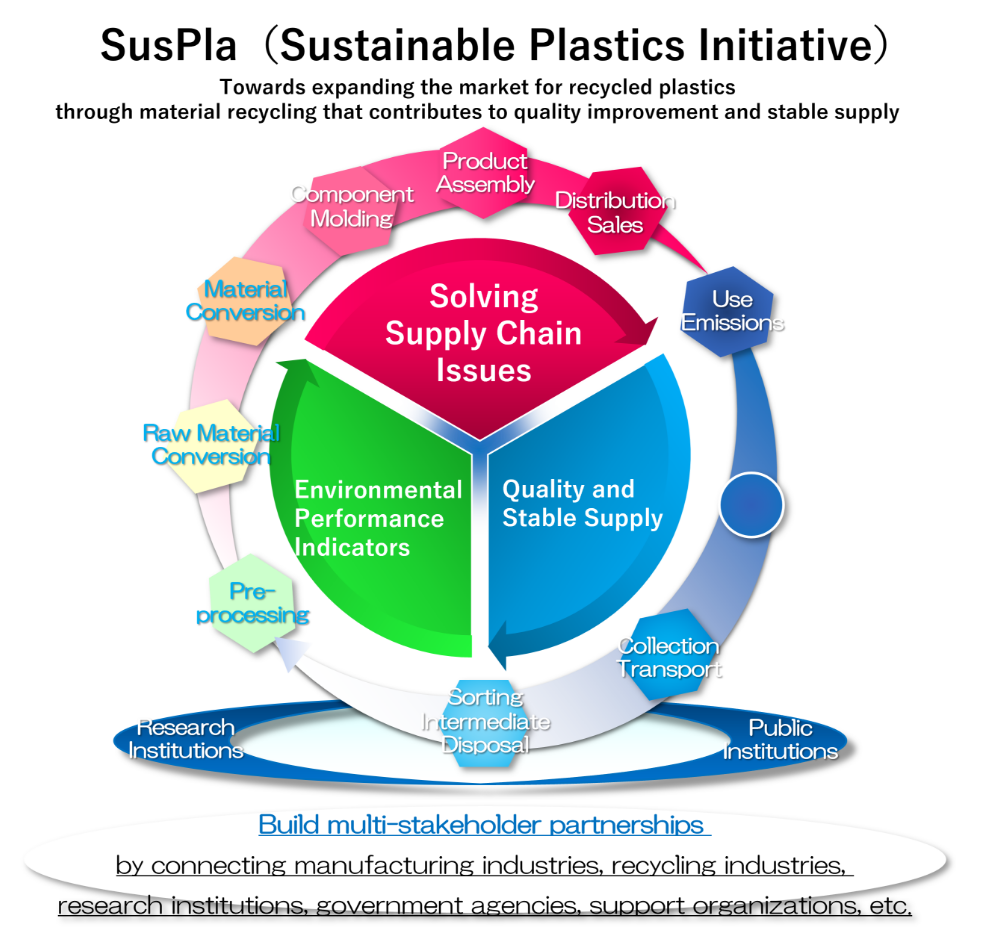
Resource efficiency and recycling are also important. Designing vehicles and components to last, reusing parts, and recovering materials from batteries and other products can help reduce waste and demand for newly mined resources. These efforts are part of a broader shift toward a circular economy.
Measuring Progress
Targets are important, but they do not by themselves demonstrate results. To evaluate Toyota’s sustainability progress, readers can consult the company’s latest sustainability and environmental reports, paying attention to reported emissions, energy and water use, renewable electricity, supply-chain impacts, and recycling rates. Independent assessments and consistent year-over-year data can help put company claims into context.
It is also important to distinguish between plans and completed work. A long-term carbon-neutrality goal describes an intended destination; actual progress depends on measurable reductions over time. The environmental performance of an individual vehicle will vary according to its production, energy source, use, and end-of-life treatment.
What Comes Next
Toyota’s sustainability strategy reflects a wider debate about how quickly transportation should shift to zero-emission vehicles and which technologies can best support that transition. A diverse lineup may offer flexibility, but meaningful progress will depend on scaling lower-emission options, reducing manufacturing impacts, improving supply-chain transparency, and tracking outcomes clearly.
Ultimately, sustainable mobility is not achieved by a single technology or target. It requires cleaner energy, responsible production, durable products, effective recycling, and reliable public reporting. Toyota’s progress will be judged by how consistently it turns its commitments into measurable environmental improvements.
7 Tips for More Sustainable Driving and Ownership With Toyota
- Consider a Toyota hybrid or electric model that fits your needs.
- Compare lifecycle emissions, not just fuel economy.
- Keep tires properly inflated to improve efficiency.
- Use smooth acceleration and braking to save fuel.
- Maintain your Toyota on schedule to help it run efficiently.
- Recycle vehicle batteries and parts through approved programs.
- Check Toyota’s latest sustainability reports for verified progress.
Consider a Toyota hybrid or electric model that fits your needs.
Consider a Toyota hybrid or electric model that fits your daily needs, driving habits, and access to charging. A hybrid may be a practical choice if you want improved fuel efficiency without relying on charging, while a plug-in hybrid or battery-electric model may suit you if you can charge regularly and want to drive more on electricity. Compare each vehicle’s range, fuel economy, charging requirements, and expected costs, and remember that a vehicle’s overall environmental impact also depends on how it is manufactured and how its energy is produced.
Compare lifecycle emissions, not just fuel economy.
When evaluating Toyota’s sustainability, compare a vehicle’s emissions across its entire life cycle—not just its fuel economy. Consider emissions from manufacturing, battery and material production, fuel or electricity use, and end-of-life recycling or disposal. A hybrid, plug-in hybrid, battery-electric, or fuel-cell vehicle can have different impacts depending on how it is made, how it’s driven, and the energy sources available where it’s used. Looking at lifecycle emissions provides a fuller picture of a vehicle’s environmental footprint than miles per gallon alone.
Keep tires properly inflated to improve efficiency.
Keeping your Toyota’s tires properly inflated is a simple way to improve efficiency. Underinflated tires create more rolling resistance, which can make the vehicle use more fuel—or, for an electric Toyota, more battery energy. Check tire pressure regularly when the tires are cold, and follow the pressure listed on the driver-side doorjamb rather than the maximum pressure printed on the tire. Proper inflation can also support even tire wear and safe handling.
Use smooth acceleration and braking to save fuel.
Smooth acceleration and braking can help your Toyota use less fuel. Accelerate gradually, maintain a steady speed when traffic allows, and look ahead so you can slow down gently instead of braking at the last moment. These habits reduce unnecessary energy use, help improve fuel economy, and can make your drive more comfortable.
Maintain your Toyota on schedule to help it run efficiently.
Maintaining your Toyota according to the recommended service schedule can help it run efficiently and reliably. Regular oil changes, properly inflated tires, clean filters, and timely inspections may support fuel economy, reduce unnecessary wear, and help catch potential problems early. Check your owner’s manual for the maintenance intervals and service recommendations for your specific model.
Recycle vehicle batteries and parts through approved programs.
Recycle Toyota vehicle batteries and parts through manufacturer-approved or certified recycling programs rather than placing them in household trash or taking them to an unverified scrap facility. Proper recycling helps recover valuable materials, reduces waste, and supports safer handling of components that may contain hazardous substances. Check with a Toyota dealer, local recycling center, or authorized service provider for instructions on collection and drop-off, since requirements vary by vehicle and location.
Check Toyota’s latest sustainability reports for verified progress.
Check Toyota’s latest sustainability reports to see how the company is progressing toward its environmental goals. Look for measurable results—not just commitments—including changes in greenhouse gas emissions, factory energy and water use, renewable energy, supply-chain impacts, and vehicle and battery recycling. Comparing figures across reporting years can help show whether progress is sustained.