
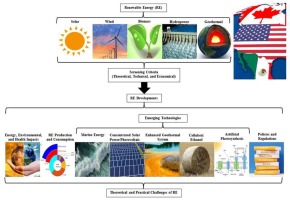
Environmental Progress and the Shift to Sustainable Energy
Environmental progress depends on choices made across communities, industries, and governments. One of the most important is how energy is produced and used. Moving from fossil fuels to cleaner sources can reduce greenhouse gas emissions, improve air quality, and support a more resilient energy system. The transition is underway, but its benefits depend on making it reliable, affordable, and fair for everyone.
What Sustainable Energy Means
Sustainable energy comes from sources that can be replenished naturally and produce relatively low environmental impacts over time. Solar and wind power are among the fastest-growing sources. Hydropower, geothermal energy, and sustainably managed bioenergy can also contribute, depending on local conditions and careful planning. Energy efficiency is another essential part of the picture: using less energy to provide the same services reduces both costs and environmental pressures.
Signs of Progress
Renewable energy technologies have become more widely available, and many regions are adding solar and wind power to their electricity systems. Rooftop solar, community energy projects, and larger renewable facilities are giving households and organizations more ways to participate. Electric vehicles and more efficient appliances are also changing how energy is used in transportation and buildings.
These developments can bring benefits beyond climate protection. Replacing some fossil-fuel generation with cleaner electricity can help reduce air pollution. Energy-efficiency upgrades can lower utility bills and make buildings more comfortable. Local renewable projects may also create jobs in construction, maintenance, and manufacturing.
Challenges That Remain
Renewable sources such as wind and solar do not produce electricity at the same rate every hour. A dependable clean-energy system therefore needs a mix of solutions, including energy storage, stronger transmission lines, flexible electricity demand, and a range of energy sources. Modernizing the grid can help move electricity from where it is generated to where it is needed.
The transition also requires thoughtful planning. New infrastructure can affect land, wildlife, and nearby communities. Materials used in batteries, solar panels, and other equipment must be sourced and managed responsibly. Recycling, careful siting, and early community engagement can reduce impacts and build public trust.
Affordability and access matter just as much. Policies and programs should help renters, rural communities, and households with limited incomes benefit from energy savings and clean power. Workers and regions that rely on fossil-fuel industries also need practical support, including training and pathways to new employment.
How Communities Can Contribute
Progress does not depend on a single technology or decision. Communities can begin by improving building efficiency, expanding public transit and safe walking and cycling options, and supporting clean electricity where it is available. Businesses can measure energy use, reduce waste, and invest in efficient equipment. Individuals can consider options such as weatherizing a home, choosing efficient appliances, or learning about local renewable-energy programs.
These actions work best alongside strong public planning and investment. Clear standards, reliable incentives, research, and community participation can help clean-energy projects deliver lasting benefits.
Building a Sustainable Energy Future
Environmental progress is more than adding renewable power. It means creating an energy system that is dependable, affordable, and designed to protect people and ecosystems. Continued investment in clean generation, efficiency, storage, and modern infrastructure can help reduce emissions while strengthening communities.
The path forward will take time and cooperation. By pairing technological progress with responsible planning and equitable access, societies can make meaningful gains toward a healthier environment and a more sustainable energy future.
Sustainable Energy and Environmental Progress: 6 Frequently Asked Questions
- What is sustainable energy?
- How does renewable energy help reduce climate change?
- What are the main sources of renewable energy?
- Can renewable energy provide reliable electricity around the clock?
- How can households reduce energy use and costs?
- What are the biggest challenges to expanding clean energy?
What is sustainable energy?
Sustainable energy is energy produced and used in ways that can be maintained over the long term while minimizing harm to the environment and communities. It often comes from renewable sources, such as solar, wind, hydropower, and geothermal energy, and is supported by energy efficiency—using less energy to provide the same services. Together, these approaches can reduce pollution and greenhouse gas emissions while helping create a more reliable energy system.
How does renewable energy help reduce climate change?
Renewable energy helps reduce climate change by generating electricity with little or no direct greenhouse gas emissions. Sources such as solar, wind, and hydropower can replace some electricity produced by burning coal, oil, and natural gas, which release carbon dioxide and other heat-trapping gases. As renewable power expands—alongside energy efficiency and cleaner transportation and heating—it can lower overall emissions and help slow the buildup of greenhouse gases in the atmosphere.
What are the main sources of renewable energy?
The main sources of renewable energy are solar, wind, hydropower, geothermal, and biomass. Solar panels convert sunlight into electricity or heat, while wind turbines generate electricity from moving air. Hydropower uses flowing or falling water, and geothermal energy draws on heat beneath Earth’s surface. Biomass comes from organic materials, such as wood, crops, and waste, and can produce heat, electricity, or fuels when managed sustainably. Tidal and wave energy are also developing renewable options in some regions.
Can renewable energy provide reliable electricity around the clock?
Renewable energy can provide reliable electricity around the clock when supported by a well-designed power system. Solar and wind output varies with weather and time of day, so grids balance them with a mix of resources, such as battery storage, hydropower, geothermal energy, flexible electricity use, and transmission lines that connect regions. As storage and grid technology improve, renewable energy can supply a growing share of electricity while maintaining dependable service. The right combination of solutions depends on local conditions, energy demand, and available resources.
How can households reduce energy use and costs?
Households can reduce energy use and costs by sealing drafts, improving insulation, and setting thermostats efficiently—lower in winter and higher in summer when practical. Replacing older bulbs with LEDs, choosing energy-efficient appliances, washing clothes in cold water, and turning off or unplugging electronics when not in use can also help. For a clearer picture of where energy is going, review utility bills or arrange a home energy assessment. Small changes add up, while larger upgrades such as a heat pump or efficient water heater may provide additional savings over time.
What are the biggest challenges to expanding clean energy?
The biggest challenges to expanding clean energy include upgrading power grids and adding energy storage to balance variable sources like wind and solar; securing funding and speeding up permitting for new projects and transmission lines; and responsibly sourcing materials while protecting land and wildlife. Clean energy also needs to remain affordable and accessible, with communities and workers affected by the transition included in planning and supported through the changes.