
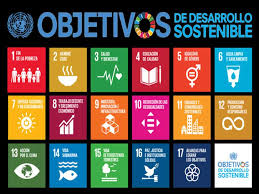
The 2030 Agenda for Sustainable Development
The 2030 Agenda for Sustainable Development is a global plan for improving people’s lives and protecting the planet. Adopted by all 193 United Nations member states in 2015, it sets out a shared vision for progress through the year 2030. At its center are 17 Sustainable Development Goals, or SDGs, supported by 169 targets.
A Plan with Goals for Everyone
The agenda is designed to apply to every country, regardless of income level. It recognizes that social, economic, and environmental challenges are connected. For example, improving access to education can support better health and employment, while responsible economic growth can help reduce poverty without exhausting natural resources.
The 17 goals address issues including poverty, hunger, health, education, gender equality, clean water, affordable energy, decent work, reduced inequality, sustainable cities, responsible consumption, climate action, and peace and justice. They also call for stronger international cooperation to help achieve these aims.
“Leave No One Behind”
A guiding principle of the 2030 Agenda is to “leave no one behind.” This means that progress should reach people who face the greatest barriers, including those affected by poverty, discrimination, conflict, disability, or limited access to essential services. The agenda emphasizes that development should benefit all people, not just those who are easiest to reach.
How the Agenda Is Put into Practice
The United Nations does not enforce the goals through a global law. Instead, each country is responsible for setting priorities, developing policies, and tracking progress in its own context. Governments may work with local communities, businesses, nonprofits, researchers, and international organizations to advance the goals.
Progress is reviewed using indicators and national data. Countries can also share updates at the UN’s High-level Political Forum on Sustainable Development. These reviews help identify achievements and gaps, though the quality and availability of data vary among countries.
Challenges and Criticism
The goals are ambitious, and progress has been uneven. Conflict, economic shocks, climate-related disasters, inequality, and limited public funding can slow or reverse gains. Some targets are also difficult to measure consistently, making it challenging to compare results across countries.
Critics argue that the agenda covers so many issues that it can be difficult to prioritize, and that voluntary commitments do not guarantee action. Supporters respond that the goals provide a common framework for cooperation and accountability, while leaving room for countries to choose approaches suited to their circumstances.
Why the 2030 Agenda Matters
The 2030 Agenda offers a shared set of priorities for addressing urgent global challenges. Its success depends on practical policies, sustained funding, reliable information, and meaningful participation by the people affected. Although the 2030 deadline is approaching, the goals remain useful for guiding long-term decisions and measuring whether development is inclusive, resilient, and sustainable.
5 Practical Tips to Support the 2030 Agenda
- Learn about the UN Sustainable Development Goals.
- Choose one local goal to support.
- Reduce waste and conserve energy.
- Promote equality and inclusive opportunities.
- Track progress and share what works.
Learn about the UN Sustainable Development Goals.
Learn about the UN Sustainable Development Goals (SDGs) to understand the shared priorities behind the 2030 Agenda. The 17 goals address issues such as poverty, health, education, clean water, equality, and climate action. Exploring them can help you see how these challenges are connected, find reliable information about progress, and identify practical ways to support sustainable development in your community.
Choose one local goal to support.
Choose one local goal to support by focusing on a Sustainable Development Goal that matters in your community. It could be improving access to education, reducing food waste, planting trees, or making clean water more available. Learn what local groups are already doing, then contribute your time, skills, or resources. Starting with one specific goal makes it easier to take meaningful action, see progress, and encourage others to get involved.
Reduce waste and conserve energy.
Reducing waste and conserving energy are practical ways to support the 2030 Agenda for Sustainable Development. Choosing reusable products, repairing items, recycling correctly, and avoiding unnecessary purchases can reduce pollution and pressure on natural resources. At home, turning off unused lights, choosing energy-efficient appliances, and improving insulation can lower energy use and greenhouse gas emissions. Small everyday actions, combined with efforts by businesses and governments, help advance responsible consumption and climate action.
Promote equality and inclusive opportunities.
Promoting equality and inclusive opportunities is essential to achieving the 2030 Agenda’s promise to leave no one behind. Governments, businesses, and communities can help by removing discrimination, expanding access to quality education and decent work, improving accessibility for people with disabilities, and ensuring that women and underrepresented groups have a meaningful voice in decision-making. When people have fair chances to participate and succeed, communities become stronger, economies more resilient, and progress more widely shared.
Track progress and share what works.
Tracking progress helps turn the 2030 Agenda’s goals into measurable action. Use reliable data to see what is improving, where gaps remain, and which communities may need more support. Sharing successful approaches—along with lessons from setbacks—can help governments, organizations, and communities adapt effective solutions to their own circumstances and accelerate progress toward the Sustainable Development Goals.