
Eco-Friendly Projects for Students
Eco-friendly projects give students a practical way to learn about the environment while making a difference at school and in their community. From reducing waste to supporting local wildlife, these projects can build useful skills, encourage teamwork, and turn environmental ideas into everyday action.
Start a School Recycling Program
A recycling program can help students understand how much waste their school produces and what can be reused or recycled. Begin by checking which materials local recycling services accept. Then work with school staff to place clearly labeled bins in convenient locations and create simple signs showing what belongs in each one.
Students can track the amount collected over time and share the results with their school. Clear instructions are important: contaminated recycling may not be processed, so bins should only accept approved items.
Create a Pollinator Garden
A small garden can provide food and shelter for bees, butterflies, and other pollinators. Choose native plants that are suited to the local climate, and ask a teacher, school custodian, or community garden group for help selecting a location. Students can plan the garden, prepare the soil, plant seeds, and observe which insects visit.
Even a few containers can make a difference if a large garden is not possible. Avoid pesticides, and make sure the plants selected are safe for the school setting.
Conduct an Energy Audit
Students can investigate how energy is used in classrooms and shared spaces. Look for lights left on in empty rooms, electronics that stay plugged in, and areas that may need better natural lighting. Record observations and suggest realistic improvements, such as turning off unused equipment or posting reminders near light switches.
For safety, students should not handle electrical equipment or change building systems. Share recommendations with a teacher or facilities staff member.
Reduce Single-Use Waste
A waste-reduction campaign can help students identify disposable items used at lunch or during school events. After observing what gets thrown away, the group can suggest practical alternatives, such as reusable water bottles, lunch containers, or digital event announcements.
Make participation easy and affordable. Not every student has access to reusable products, so schools can consider lending options or other inclusive solutions.
Build a Composting Project
Composting turns some food scraps and yard waste into material that can enrich soil. Students can research which composting methods are suitable for their school and what materials are accepted. A successful program needs clear rules, regular maintenance, and approval from school staff.
Composting systems vary, so check local guidelines before getting started. Keep meat, dairy, and other materials out unless the chosen system is designed to handle them.
Organize a Litter Cleanup
A cleanup event can make a nearby park, schoolyard, or sidewalk more welcoming. Before the event, choose a safe area, get permission when needed, and provide gloves and bags. Students should avoid sharp, hazardous, or unidentified items and tell an adult if they find anything unsafe.
After the cleanup, discuss where the litter came from and how it might be prevented. The goal is not only to remove trash but also to understand the habits and systems that create it.
Make Upcycled Art or Useful Items
Upcycling gives discarded materials a new purpose. Students might turn clean packaging into sculptures, use fabric scraps for a classroom banner, or transform sturdy containers into organizers. The project can combine environmental learning with art, design, and problem-solving.
Use clean, safe materials and avoid items with sharp edges or unknown residues. It is also helpful to plan what will happen to the finished projects when they are no longer needed.
How to Make a Project Successful
- Choose a manageable goal: A small project with a clear purpose is easier to complete than a broad plan.
- Involve the school community: Ask students, teachers, families, and staff what would be useful and realistic.
- Set a timeline: Break the project into steps, assign responsibilities, and schedule check-ins.
- Measure progress: Track results, such as the amount of waste reduced or the number of plants established.
- Share what you learn: Present results through a school announcement, display, newsletter, or class presentation.
- Plan for the long term: Identify who will maintain the project after the initial launch.
Small Actions, Lasting Lessons
Eco-friendly student projects do not have to be expensive or complicated. A well-planned garden, a recycling effort, or a simple waste audit can help students see how individual choices connect to larger environmental challenges. By working together, students can build habits and create improvements that benefit their school and community well beyond the life of a single project.
5 Eco-Friendly Projects for Students: Simple Ways to Make a Difference
- Start a classroom recycling station.
- Plant native flowers for pollinators.
- Make a bird feeder from reused materials.
- Create posters to save water and energy.
- Grow herbs in recycled containers.
Start a classroom recycling station.
Start a classroom recycling station to make it easy for students to sort everyday waste. Place clearly labeled bins in a convenient spot, and include pictures or examples of accepted materials, such as paper, cardboard, or plastic bottles. Check your local recycling guidelines before choosing what to collect, since rules vary by area. Students can take turns monitoring the station, keeping items out of the wrong bins, and tracking how much the class recycles.
Plant native flowers for pollinators.
Planting native flowers is a simple, hands-on way for students to support pollinators such as bees and butterflies. Native plants are adapted to the local climate and can provide pollinators with familiar sources of nectar and pollen. Students can research which species grow well in their area, then plant them in a school garden or containers with help from a teacher. Choose a sunny spot, avoid pesticides, and water the flowers as needed. As the plants grow, students can observe visiting insects and learn how healthy habitats support local ecosystems.
Make a bird feeder from reused materials.
Students can make a simple bird feeder from clean, reused materials such as a plastic bottle, milk carton, or sturdy cardboard tube. With an adult’s help, add openings for birds, fill the feeder with seed that’s appropriate for local species, and hang it somewhere safe and easy to observe. Keep the feeder clean, refill it regularly, and place it away from windows and areas where pets can reach it. This hands-on project gives materials a second life while helping students learn about local birds and responsible wildlife care.
Create posters to save water and energy.
Create eye-catching posters that encourage students to save water and energy throughout the school day. Use short messages such as “Turn off the lights when you leave” or “Turn off the faucet while brushing your teeth,” paired with clear illustrations and easy-to-follow tips. Place the posters near sinks, light switches, and other relevant spots, and invite classmates to help design them. Remind students to check that the tips are practical and accurate, then see whether the posters inspire lasting changes in everyday habits.
Grow herbs in recycled containers.
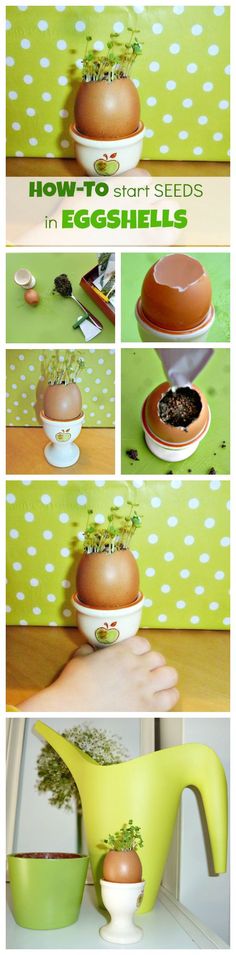
Grow herbs in clean, recycled containers to add a little greenery to a classroom, balcony, or windowsill while reusing items that might otherwise be thrown away. Rinse containers such as sturdy food tubs or jars, ask an adult to help make drainage holes if needed, and fill them with potting mix. Choose easy-to-grow herbs like basil, parsley, or mint, place them where they’ll get the right amount of sunlight, and water them regularly. Students can track growth, learn about plant care, and use the herbs in a cooking activity.