
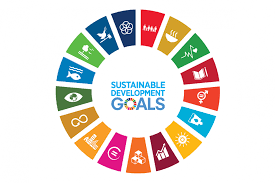
The United Nations’ 17 Sustainable Development Goals
The United Nations’ 17 Sustainable Development Goals (SDGs) are a shared global plan for improving people’s lives and protecting the planet. Adopted by UN member states in 2015 as part of the 2030 Agenda for Sustainable Development, the goals address challenges such as poverty, hunger, inequality, climate change, and access to education and health care.
The goals are designed to work together. Progress in one area can support progress in others: for example, quality education can help reduce poverty, while clean energy can improve health and address climate change. The agenda calls on governments, businesses, organizations, communities, and individuals to contribute.
The 17 Goals
- No Poverty: End poverty in all its forms and expand access to resources, services, and economic opportunities.
- Zero Hunger: End hunger, improve nutrition, strengthen food security, and support sustainable agriculture.
- Good Health and Well-Being: Promote health and well-being for people of all ages.
- Quality Education: Ensure inclusive, equitable education and lifelong learning opportunities for everyone.
- Gender Equality: Advance equal rights and opportunities for women and girls and address discrimination and violence.
- Clean Water and Sanitation: Improve access to safe water and sanitation and support sustainable water management.
- Affordable and Clean Energy: Expand access to reliable, sustainable, and modern energy.
- Decent Work and Economic Growth: Promote inclusive economic growth, productive employment, and safe, fair working conditions.
- Industry, Innovation and Infrastructure: Build resilient infrastructure and encourage inclusive, sustainable industry and innovation.
- Reduced Inequalities: Reduce inequality within and among countries.
- Sustainable Cities and Communities: Make cities and communities inclusive, safe, resilient, and sustainable.
- Responsible Consumption and Production: Use resources more efficiently and reduce waste and pollution.
- Climate Action: Take urgent action to address climate change and its impacts.
- Life Below Water: Protect oceans and marine resources and use them sustainably.
- Life on Land: Protect ecosystems, manage forests sustainably, and help prevent biodiversity loss and land degradation.
- Peace, Justice and Strong Institutions: Promote peaceful societies, access to justice, and effective, accountable institutions.
- Partnerships for the Goals: Strengthen cooperation, resources, and partnerships needed to achieve the goals.
Why the Goals Matter
The SDGs provide a common framework for identifying priorities and measuring progress. They recognize that development involves more than economic growth: it also includes health, education, human rights, environmental protection, and people’s ability to participate in decisions that affect their lives.
Although the goals are global, many solutions begin locally. Communities can support them by improving access to services, reducing food and energy waste, protecting natural spaces, making public areas more accessible, and promoting fair opportunities. Businesses and institutions can also contribute through responsible practices and transparent reporting.
Achieving the 17 goals requires sustained effort and cooperation. Each goal represents a major challenge, but together they offer a practical vision for a healthier, fairer, and more sustainable future.
7 Ways to Support the UN’s 17 Sustainable Development Goals in Your Community
- Learn about the UN’s 17 Sustainable Development Goals.
- Choose one goal to support in your community.
- Save water and energy to support climate action.
- Reduce waste by reusing and recycling.
- Buy from businesses that treat workers fairly.
- Volunteer to help reduce poverty or hunger.
- Share reliable information about the goals.
Learn about the UN’s 17 Sustainable Development Goals.
Learn about the UN’s 17 Sustainable Development Goals (SDGs), a shared plan to build a fairer, healthier, and more sustainable future by 2030. The goals address interconnected challenges such as poverty, hunger, education, health, inequality, climate change, and environmental protection. Understanding them can help you see how global issues affect your community—and identify practical ways to make a difference, from reducing waste to supporting inclusive local initiatives.
Choose one goal to support in your community.
Choose one of the UN’s 17 Sustainable Development Goals and find a practical way to support it in your community. You could volunteer at a food pantry to help advance Zero Hunger, organize a neighborhood cleanup to support Life Below Water or Life on Land, or tutor students to promote Quality Education. Start by learning what local organizations are already doing, then offer your time, skills, or resources. Even a small, consistent contribution can help create meaningful progress.
Save water and energy to support climate action.
Saving water and energy is a simple way to support climate action. Turn off lights and electronics when they’re not in use, choose energy-efficient appliances, fix leaky faucets, and take shorter showers. These everyday habits can reduce energy use, conserve water, and help lower greenhouse gas emissions.
Reduce waste by reusing and recycling.
Reducing waste is a simple way to support the United Nations’ Sustainable Development Goals, especially Goal 12: Responsible Consumption and Production. Reuse items when possible, choose products with less packaging, and recycle materials according to local guidelines. These everyday habits help conserve natural resources, reduce pollution, and keep waste out of landfills.
Buy from businesses that treat workers fairly.
Buying from businesses that treat workers fairly is one way to support the United Nations’ Sustainable Development Goals, especially Goal 8: Decent Work and Economic Growth, and Goal 12: Responsible Consumption and Production. Look for companies that provide safe working conditions, fair wages, and respect for workers’ rights. Choosing their products and services can help reward responsible practices and encourage more businesses to treat their employees with dignity.
Volunteer to help reduce poverty or hunger.
Volunteering with a local food bank, community kitchen, shelter, or poverty-relief organization is a practical way to support the UN Sustainable Development Goals of No Poverty and Zero Hunger. You can help sort and distribute food, prepare meals, assist families in finding resources, or support programs that build long-term stability. Choose a reputable organization, ask what help is most needed, and give your time consistently if you can—even a few hours can make a meaningful difference in your community.
Share reliable information about the goals.
Sharing reliable information about the United Nations’ 17 Sustainable Development Goals helps people understand the challenges they address and the actions that can support progress. Use trustworthy sources, such as United Nations websites and reputable organizations, and check facts before sharing them. Clear, accurate information can encourage thoughtful conversations, counter misinformation, and help individuals and communities find meaningful ways to contribute.