
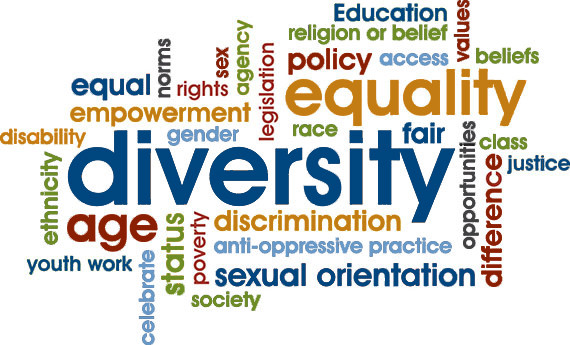
Diversity and Inclusion: Building Stronger Communities
Diversity is the presence of different identities, backgrounds, experiences, and perspectives within a group. It can include differences in race, ethnicity, gender, age, disability, religion, language, culture, and many other aspects of life. Inclusion means creating an environment where people are respected, welcomed, and able to participate fully.
Diversity and inclusion are connected, but they are not the same. A group may bring together people with many different backgrounds without giving everyone an equal voice. Inclusion turns representation into meaningful participation by making sure people feel valued and have fair opportunities to contribute.
Why Diversity Matters
People’s experiences shape how they understand the world and solve problems. When a team or community welcomes a range of perspectives, it can identify challenges that might otherwise be overlooked, consider more possible solutions, and make better-informed decisions. Diversity can also encourage creativity, learning, and stronger connections across communities.
These benefits do not happen automatically. People need opportunities to speak, influence decisions, and access the resources they need. Without those conditions, differences may be present but not meaningfully represented.
What Inclusion Looks Like
Inclusive environments are built through everyday choices as well as formal policies. They make room for respectful discussion, provide accessible spaces and information, and address unfair treatment when it occurs. They also recognize that people may face different barriers and that equal treatment does not always mean providing identical support.
Listening is an important part of inclusion. It means being open to experiences that differ from one’s own, asking thoughtful questions, and taking feedback seriously. It also means avoiding assumptions about what someone believes, needs, or can do based on their identity.
How to Support Diversity and Inclusion
- Notice barriers: Review practices, spaces, and communication to identify who may be left out.
- Invite participation: Create meaningful ways for people with different perspectives to contribute to decisions.
- Use respectful language: Choose language that recognizes people’s dignity and avoid stereotypes.
- Respond to unfairness: Address exclusion and discrimination consistently rather than ignoring them.
- Keep learning: Treat feedback and new information as opportunities to improve.
A Shared Responsibility
Building diverse and inclusive communities is an ongoing process. It requires commitment from individuals, organizations, and institutions, along with a willingness to examine established habits and make changes when needed. The goal is not simply to celebrate differences, but to ensure that people can participate, contribute, and belong.
When diversity is met with inclusion, communities become better equipped to learn from one another and work toward shared goals. Respect, fairness, and a genuine openness to different perspectives help create places where more people can thrive.
Understanding Diversity and Inclusion: Key Questions and Insights
- What does diversity and inclusion mean?
- Why are diversity and inclusion important?
- What is the difference between diversity, equity, and inclusion?
- How can organizations promote diversity and inclusion?
- How can I help create a more inclusive environment?
- What are common barriers to diversity and inclusion?
- How can the impact of diversity and inclusion efforts be measured?
What does diversity and inclusion mean?
Diversity and inclusion are related but distinct ideas. Diversity means recognizing and valuing the differences people bring, including differences in race, ethnicity, gender, age, disability, culture, religion, identity, and life experience. Inclusion means creating an environment where people feel respected, have a sense of belonging, and can participate fully and contribute meaningfully. Together, diversity and inclusion help build fairer, more welcoming communities and workplaces.
Why are diversity and inclusion important?
Diversity and inclusion are important because they help ensure that people with different backgrounds, identities, and perspectives are respected and able to participate fully. When people feel included, they can contribute their ideas and skills, which can strengthen creativity, decision-making, and problem-solving. Promoting inclusion also helps address barriers and unfair treatment, creating more equitable workplaces and communities where everyone has a greater opportunity to belong and thrive.
What is the difference between diversity, equity, and inclusion?
Diversity refers to the presence of people with different identities, backgrounds, experiences, and perspectives. Equity means ensuring fair access to opportunities and support by recognizing that people may face different barriers and need different resources to succeed. Inclusion is the practice of creating an environment where everyone feels respected, welcomed, and able to participate meaningfully. In short, diversity is who is represented, equity is whether people have what they need to thrive, and inclusion is whether they feel valued and involved.
How can organizations promote diversity and inclusion?
Organizations can promote diversity and inclusion by building fair hiring and advancement practices, making workplaces accessible, and ensuring employees from different backgrounds have meaningful opportunities to contribute and lead. They can provide ongoing training, establish clear policies for addressing discrimination and harassment, and invite feedback from staff without fear of retaliation. Most importantly, organizations should set measurable goals, review their progress regularly, and use what they learn to improve—because inclusion depends on consistent action, not just statements of support.
How can I help create a more inclusive environment?
You can help create a more inclusive environment by listening to people’s experiences, treating everyone with respect, and making space for different perspectives. Notice whether anyone is being left out, avoid assumptions and stereotypes, and speak up respectfully when you see unfair treatment. Small actions—such as using considerate language, sharing opportunities, and welcoming feedback—can help people feel valued and able to participate.
What are common barriers to diversity and inclusion?
Common barriers to diversity and inclusion include unconscious bias, stereotypes, discriminatory policies, and unequal access to opportunities, resources, or decision-making. Lack of representation can also leave people feeling isolated or unheard, while inaccessible spaces, limited language support, and dismissive responses to feedback may prevent full participation. Addressing these barriers takes ongoing effort: organizations and communities can review their practices, listen to people’s experiences, improve accessibility, and create fair ways for everyone to contribute.
How can the impact of diversity and inclusion efforts be measured?
The impact of diversity and inclusion efforts can be measured using a combination of data and feedback. Organizations can track representation, hiring and promotion patterns, retention rates, pay equity, and participation in leadership or decision-making. Surveys, interviews, and focus groups can reveal whether people feel respected, included, and able to contribute. Reviewing policies and outcomes over time can show where progress is happening and where barriers remain. Measures should protect privacy, account for people’s varied experiences, and be used to guide meaningful improvements—not just to meet numerical targets.