
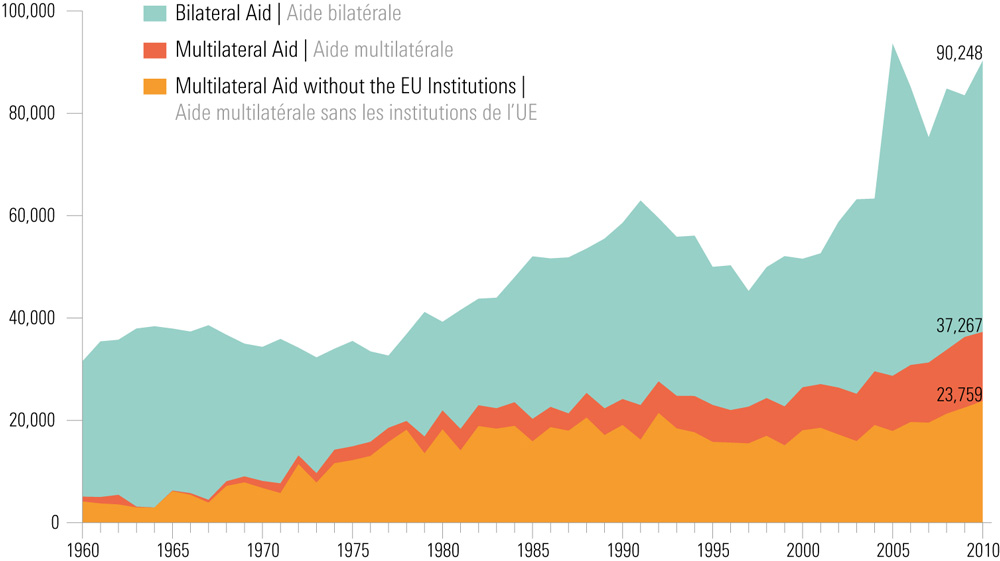
Bilateral Aid: How Countries Support Development Abroad
Bilateral aid is assistance provided directly by one country to another. It is one of the most visible forms of international cooperation, connecting governments through funding, expertise, equipment, and other resources. The goal may be to respond to an emergency, support long-term development, strengthen public services, or advance shared priorities.
What Bilateral Aid Includes
Bilateral assistance can take many forms. A donor country may provide grants or loans to a partner government, fund programs through local organizations, or supply technical experts and training. Aid may support areas such as health care, education, agriculture, infrastructure, economic development, and disaster response.
Some assistance is delivered directly to a recipient government. In other cases, a donor country works through nonprofit organizations, international agencies, businesses, or community groups. The structure depends on the purpose of the program, local conditions, and the agreements between the countries involved.
Why Countries Provide Bilateral Aid
Humanitarian concern is one reason countries provide aid, particularly after conflicts, natural disasters, or public health emergencies. Assistance can help meet urgent needs such as food, shelter, clean water, and medical care.
Bilateral aid can also support longer-term goals. Funding for schools, clinics, transportation, or agricultural programs may help communities build capacity and improve quality of life. Donor countries may also view aid as a way to foster diplomatic relationships, encourage regional stability, or address challenges that cross borders, such as disease and climate change.
Potential Benefits
Because bilateral aid involves a direct relationship between countries, it can be tailored to specific needs and priorities. Governments may be able to coordinate closely, share technical knowledge, and respond quickly to changing circumstances. Long-term partnerships can also help build expertise and strengthen institutions in the recipient country.
When programs are designed with local communities and institutions, they may be more responsive to the people they aim to serve. Local participation can help ensure that projects reflect practical needs and remain useful after outside funding ends.
Challenges and Criticisms
Bilateral aid does not always achieve its intended results. Programs can be poorly matched to local priorities, difficult to monitor, or disrupted by conflict and political change. If decisions are made without meaningful input from local communities, assistance may fail to address the underlying causes of a problem.
Aid can also raise questions about power and accountability. Donor countries may attach conditions to funding or link programs to their own political or economic interests. In some cases, aid can place strain on local institutions or make governments overly dependent on outside resources. These risks make transparency, independent evaluation, and local leadership especially important.
What Makes Aid More Effective?
Effective bilateral aid begins with a clear understanding of local needs and existing capabilities. It should align with recipient-country priorities, include the communities affected, and coordinate with other development efforts. Strong oversight can help ensure that funds are used as intended, while regular evaluation can reveal what is working and what needs to change.
Long-term planning matters as well. Projects are more likely to have lasting value when they strengthen local skills and institutions rather than simply delivering short-term services. Clear plans for maintaining infrastructure, continuing programs, and transferring responsibility can help sustain results after donor support ends.
Looking Ahead
Bilateral aid remains an important tool for addressing humanitarian emergencies and supporting development. Its success depends not only on the amount of money or resources provided, but also on how assistance is planned, delivered, and assessed. Partnerships built on transparency, respect, and local ownership can help ensure that aid responds to real needs and contributes to lasting progress.
6 Advantages of Bilateral Aid: Quick Response, Tailored Solutions, and Strengthened Diplomatic Ties
- Can respond quickly to emergencies.
- Can be tailored to a country’s needs.
- Encourages cooperation between governments.
- Shares expertise, technology, and resources.
- Can support health, education, and infrastructure.
- May strengthen long-term diplomatic ties.
Challenges of Bilateral Aid: Dependency, Misalignment, and Sustainability Concerns
- Can create dependency on donor funding.
- May reflect donor interests over local priorities.
- Can be slowed by bureaucracy and red tape.
- Funds may be poorly monitored or misused.
- Can weaken local businesses and institutions.
- Results may not last after funding ends.
Can respond quickly to emergencies.
A key advantage of bilateral aid is that it can respond quickly when emergencies arise. Because one country can coordinate directly with another, assistance such as food, medical supplies, funding, and rescue expertise can sometimes be mobilized without lengthy coordination among multiple organizations. This direct partnership can help governments address urgent needs after natural disasters, disease outbreaks, or conflicts, while allowing support to be tailored to the situation on the ground.
Can be tailored to a country’s needs.
One advantage of bilateral aid is that it can be tailored to a country’s specific needs and priorities. Because the donor and recipient countries work directly together, they can shape programs around local conditions, whether that means improving health care, strengthening schools, supporting agriculture, or responding to an emergency. This focused approach can help direct resources where they are most useful and make assistance more relevant to the communities it is intended to serve.
Encourages cooperation between governments.
Bilateral aid encourages cooperation between governments by creating opportunities to share expertise, coordinate priorities, and work together on common challenges. Through joint programs and ongoing dialogue, countries can build trust, strengthen diplomatic relationships, and develop solutions that reflect the needs and goals of both partners.
Shares expertise, technology, and resources.
Bilateral aid can help countries share expertise, technology, and resources to address common challenges. A donor country may provide technical training, specialized equipment, or knowledge in areas such as health care, agriculture, education, and infrastructure. When this support is shaped around local priorities, it can strengthen skills and institutions, improve access to useful tools, and help communities develop solutions that last beyond the aid program.
Can support health, education, and infrastructure.
Bilateral aid can help countries strengthen essential services and build the foundations for long-term development. Funding, expertise, and equipment from a partner country may support health programs, expand access to education, and improve infrastructure such as roads, water systems, and electricity networks. When assistance is guided by local priorities and designed for lasting use, it can help communities access better services and create more opportunities.
May strengthen long-term diplomatic ties.
Bilateral aid can strengthen long-term diplomatic ties by creating an ongoing partnership between donor and recipient countries. Working together on shared priorities—such as education, health care, infrastructure, or disaster response—can build trust, encourage communication, and deepen mutual understanding. Over time, these connections may support broader cooperation and help countries address future challenges together.
Can create dependency on donor funding.
Bilateral aid can create dependency when governments or organizations rely on donor funding to maintain essential services or long-term programs. If that support is reduced or withdrawn, projects may stall, public services may suffer, and communities can be left without sustainable alternatives. To reduce this risk, aid programs can invest in local skills and institutions, support domestic funding capacity, and include clear plans for maintaining services after external assistance ends.
May reflect donor interests over local priorities.
Bilateral aid can sometimes reflect the donor country’s political, economic, or strategic interests more than the priorities of local communities. Funding may be directed toward projects that benefit the donor or serve its foreign policy goals, even when other needs are more urgent. When local people and institutions have limited influence over decisions, assistance may be less effective and harder to sustain. Meaningful consultation and local leadership can help ensure that aid addresses the needs of the communities it is intended to support.
Can be slowed by bureaucracy and red tape.
Bilateral aid can be slowed by bureaucracy and red tape. Before funding or supplies reach the communities that need them, programs may have to pass through multiple approval processes, comply with different reporting rules, and meet requirements set by both donor and recipient governments. These delays can make it harder to respond quickly to emergencies and may postpone important projects, reducing the impact of the assistance.
Funds may be poorly monitored or misused.
Bilateral aid can be difficult to monitor once funds move through multiple government agencies, contractors, and local organizations. Weak oversight may allow money to be diverted, spent inefficiently, or used for purposes other than those intended. When reporting is limited or audits are delayed, donors and communities may struggle to identify problems and hold responsible parties accountable. Transparent budgeting, independent audits, and clear public reporting can reduce these risks and help ensure that assistance reaches the people it is meant to support.
Can weaken local businesses and institutions.
Bilateral aid can unintentionally weaken local businesses and institutions when imported goods or outside contractors replace local suppliers and service providers. Free or heavily subsidized products may make it difficult for local businesses to compete, while programs managed primarily by donor organizations can draw skilled workers and funding away from local agencies. Over time, this can reduce local capacity and create dependence on external support. Designing aid around local priorities, hiring local workers, and partnering with domestic businesses and institutions can help reduce these risks.
Results may not last after funding ends.
One drawback of bilateral aid is that its results may not last after funding ends. Programs that depend on outside money can struggle to continue paying staff, maintaining equipment, or providing services once a donor country withdraws its support. Without a plan for local funding, training, and long-term ownership, improvements may fade, leaving communities without the benefits they had come to rely on.