
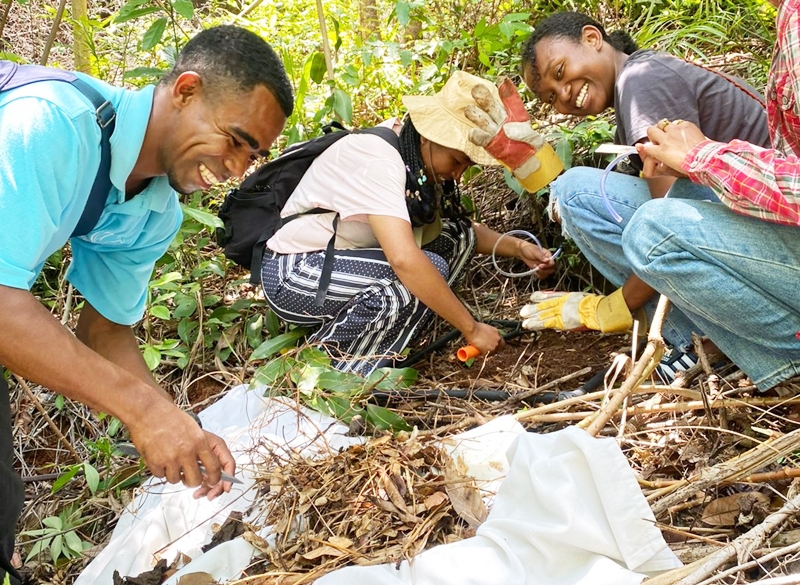
Conservation Volunteering: How to Make a Meaningful Difference
Conservation volunteering gives people a chance to support the care of wildlife, natural areas, and the resources communities depend on. Whether you spend a few hours restoring a local park or join a longer project in another region, volunteering can turn concern for the environment into practical action.
What Conservation Volunteers Do
Projects vary according to local needs and the season. Volunteers may help with activities such as:
- Removing invasive plants and restoring native habitats
- Planting trees or caring for community gardens
- Cleaning beaches, rivers, trails, or parks
- Recording observations about wildlife and plant life
- Maintaining trails and improving public access to natural areas
- Supporting environmental education and community outreach
Some opportunities involve hands-on fieldwork, while others focus on research, communications, event support, or organizing supplies. Many projects welcome beginners and provide training, so specialized experience is not always necessary.
Why Volunteer?
Conservation work can benefit both the environment and the people who take part. Volunteers contribute time and skills to projects that may otherwise have limited resources. Their efforts can help improve habitats, reduce waste, and build local awareness of environmental issues.
Volunteering can also be a rewarding way to learn. Participants may gain practical skills, meet people with shared interests, and develop a deeper understanding of the ecosystems in their area. Even a single event can help someone feel more connected to a local park, shoreline, or watershed.
Finding the Right Opportunity
Start by considering your interests, availability, and physical comfort. A local conservation group, nature center, land trust, park agency, or community organization may offer one-time events as well as regular volunteer roles. Before signing up, look for clear information about the project’s goals, schedule, location, accessibility, and required equipment.
It is also worth asking how the organization measures progress and works with local communities. Responsible projects are transparent about their methods, respect Indigenous and local knowledge, and prioritize lasting environmental benefits over short-term publicity.
Prepare for the Work
Follow the organizer’s instructions and ask questions if anything is unclear. Depending on the activity, you may need sturdy footwear, weather-appropriate clothing, water, sun protection, or work gloves. Some projects provide tools and safety equipment; others ask volunteers to bring their own.
Fieldwork can involve uneven ground, changing weather, or contact with plants and insects. Let the project leader know about relevant health or access needs in advance. When working near wildlife, follow guidance carefully: keep a respectful distance, avoid feeding animals, and never disturb nests or sensitive habitat.
Make Your Contribution Count
Conservation volunteering is most effective when it supports thoughtful, ongoing work. Showing up reliably, following safety practices, and treating the site with care are valuable contributions. If you cannot participate in person, you may be able to help through remote tasks such as data entry, translation, fundraising, or sharing educational materials.
There is no single way to help protect nature. By choosing a well-organized project and contributing consistently, volunteers can support healthier ecosystems and stronger communities—one practical step at a time.
8 Essential Tips for a Successful Conservation Volunteering Experience
- Choose a cause that matches your interests.
- Check the time commitment before signing up.
- Wear sturdy shoes and weather-ready clothing.
- Bring water, sunscreen, and work gloves.
- Follow safety instructions from team leaders.
- Use native plants in habitat restoration projects.
- Leave wildlife and natural areas undisturbed.
- Invite a friend to volunteer with you.
Choose a cause that matches your interests.
Choose a conservation cause that genuinely interests you, whether it’s protecting wildlife, restoring forests, cleaning waterways, or improving urban green spaces. When a project connects with what you care about, volunteering is more enjoyable and easier to sustain over time. Consider the skills you’d like to use or learn, too, and look for an organization whose goals and approach align with your values.
Check the time commitment before signing up.
Before signing up for a conservation volunteer opportunity, check how much time it requires. Some projects last only a few hours, while others involve regular shifts, training sessions, or a longer-term commitment. Make sure the schedule fits your availability, and ask whether you’re expected to attend every session. Choosing a commitment you can realistically keep helps organizers plan and ensures your contribution supports the project.
Wear sturdy shoes and weather-ready clothing.
Wear sturdy, comfortable shoes with good traction to help protect your feet on uneven, muddy, or rocky ground. Choose weather-ready clothing that suits the forecast, such as breathable layers for warm days or a waterproof jacket for rain. Dressing appropriately helps you stay comfortable and safe so you can focus on the conservation work.
Bring water, sunscreen, and work gloves.
Before heading out to a conservation volunteer project, pack water, sunscreen, and work gloves. Staying hydrated and protecting your skin can make outdoor work safer and more comfortable, while gloves help shield your hands from dirt, rough materials, and minor scrapes. Check the organizer’s guidance, too, since some projects provide gloves or recommend specific gear.
Follow safety instructions from team leaders.
Following safety instructions from team leaders is essential during conservation volunteering. Leaders understand the site, tools, and potential hazards, and their guidance helps protect everyone while keeping the work organized. Listen carefully during briefings, wear the recommended protective equipment, and ask questions if an instruction is unclear. If conditions change or you notice a hazard, tell the team leader right away.
Use native plants in habitat restoration projects.
Using native plants in habitat restoration projects helps recreate the conditions local wildlife needs to thrive. Native species are adapted to the region’s climate and soils, and they can provide familiar food and shelter for birds, pollinators, and other animals. Before planting, check with the project organizer or a local native-plant expert to choose species suited to the site, avoid invasive look-alikes, and follow guidance on sourcing and planting.
Leave wildlife and natural areas undisturbed.
When volunteering in natural areas, leave wildlife and their habitats undisturbed. Observe animals from a respectful distance, stay on marked trails, and avoid touching nests, plants, or other natural features. Don’t feed or handle wildlife, and follow project guidelines for collecting data or removing materials. These simple steps help protect sensitive ecosystems and allow plants and animals to thrive.
Invite a friend to volunteer with you.
Invite a friend to volunteer with you and make conservation work a shared experience. You can encourage each other, learn new skills together, and make the day more enjoyable while contributing to a meaningful project. Bringing a friend can also help introduce more people to local conservation efforts and inspire them to stay involved.