
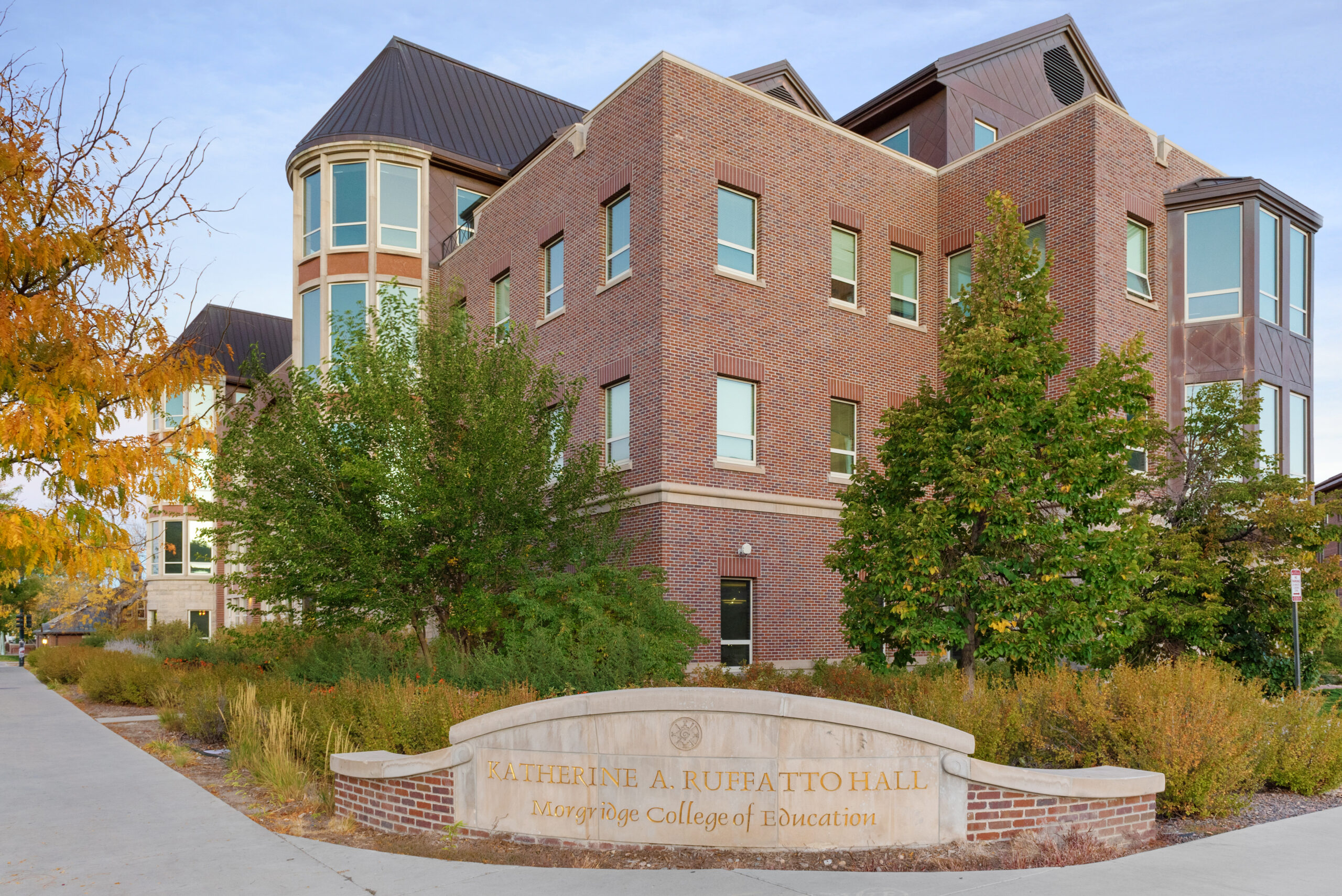
University of Education: Preparing the Next Generation of Educators
A university of education is a higher education institution focused on preparing teachers and other education professionals. These universities combine academic study with practical experience, helping students develop the knowledge, skills, and judgment needed to support learners in schools and other educational settings.
What Students Study
Programs at a university of education may cover teaching methods, child and adolescent development, educational psychology, classroom management, curriculum design, assessment, and inclusive education. Students also study specific subjects—such as mathematics, science, languages, or social studies—so they can teach those subjects effectively.
Many programs include supervised classroom placements. During these placements, students observe experienced teachers, plan lessons, work with learners, and receive feedback from mentors. This practical component helps connect educational theory with the day-to-day realities of teaching.
Programs and Career Paths
Universities of education may offer undergraduate and graduate degrees, professional certifications, and continuing education for working educators. Depending on the institution and program, graduates may pursue careers as classroom teachers, school counselors, education researchers, curriculum specialists, instructional designers, or school administrators.
Some institutions also prepare professionals for work in early childhood education, adult learning, special education, or educational technology. Program requirements and teaching credentials vary by location, so prospective students should check the rules that apply where they plan to work.
Research and Community Engagement
In addition to teaching future educators, these universities often contribute to research on learning and education. Researchers may study effective teaching practices, student well-being, educational access, assessment, or the use of technology in learning. Findings can inform classroom practice, school policy, and broader discussions about education.
Many universities also work with schools and communities through partnerships, professional development, outreach programs, and research projects. These relationships can provide students with practical experience while helping local educators address real challenges.
Choosing a University of Education
Students considering a university of education can compare program accreditation, admissions requirements, course offerings, supervised teaching opportunities, and graduate outcomes. It is also useful to ask about class sizes, student support, financial aid, and partnerships with schools. Those who intend to teach should confirm that the program meets the licensing or certification requirements in their intended location.
A Lasting Contribution
Education shapes individuals and communities, and educators play an important role in that process. By combining subject knowledge, professional preparation, practical experience, and research, a university of education can help prepare graduates to support learners throughout their lives.
Everything You Need to Know About Universities of Education: FAQs Answered
- What is a university of education?
- What programs and degrees do universities of education offer?
- What are the admission requirements for a university of education?
- How long does it take to earn a teaching degree?
- What is the difference between a university of education and a teacher-training college?
- Do universities of education offer online or part-time programs?
- Does a degree from a university of education qualify graduates to teach?
- What career paths are available to graduates of a university of education?
- How much does it cost to attend a university of education?
What is a university of education?
A university of education is a higher education institution that focuses on preparing teachers and other education professionals. Its programs often combine academic study in subjects such as teaching methods, child development, curriculum design, and assessment with practical experience in schools or other learning environments. Some universities of education also conduct research, offer professional development, and prepare graduates for roles in educational leadership, counseling, and curriculum development.
What programs and degrees do universities of education offer?
Universities of education typically offer undergraduate and graduate programs in teacher preparation, educational leadership, curriculum and instruction, special education, early childhood education, counseling, and educational research. Students may earn bachelor’s, master’s, or doctoral degrees, as well as teaching credentials, certificates, and professional development qualifications. Program options and requirements vary by institution and location, so prospective students should check whether a program meets the certification or licensing requirements for the career they plan to pursue.
What are the admission requirements for a university of education?
Admission requirements vary by university and program, but applicants typically need a high school diploma or equivalent, a completed application, and academic transcripts. Some programs may also require entrance exam scores, prerequisite coursework, a personal statement, letters of recommendation, or an interview. Graduate programs generally require a bachelor’s degree, and applicants whose prior education was taught in another language may need to demonstrate English proficiency. Check the university’s official admissions information for program-specific requirements and deadlines.
How long does it take to earn a teaching degree?
In the United States, earning a bachelor’s degree that prepares you to teach typically takes about four years of full-time study, including classroom experience. If you already have a bachelor’s degree, a teacher-preparation or certification program may take about one to two years, while a master’s degree in education often requires an additional one to two years. The exact timeline depends on the program, your previous coursework, and your state’s licensing requirements.
What is the difference between a university of education and a teacher-training college?
A university of education typically offers a broad range of degree programs, conducts research, and prepares students for careers in teaching and other education-related fields. A teacher-training college, by contrast, usually focuses more specifically on practical preparation for classroom teaching and may offer shorter or more career-focused programs. The distinction varies by country and institution, so it’s helpful to compare each school’s degrees, accreditation, teaching placements, and the credentials required where you plan to work.
Do universities of education offer online or part-time programs?
Yes, many universities of education offer online, hybrid, or part-time programs, especially for graduate study, professional development, and continuing education. Options vary by school and subject: some programs can be completed fully online, while others require in-person classes, teaching placements, or campus sessions. Check each program’s schedule, technology requirements, fieldwork expectations, and accreditation or certification requirements to find an option that fits your needs.
Does a degree from a university of education qualify graduates to teach?
A degree from a university of education may qualify graduates to teach, but it depends on the program and the requirements where they plan to work. Many teacher-preparation programs include supervised classroom experience and are designed to meet local certification or licensure standards; others may not lead directly to a teaching credential. Prospective students should confirm that the degree is recognized by the relevant education authority and check whether additional exams, coursework, or licensing steps are required.
What career paths are available to graduates of a university of education?
Graduates of a university of education can pursue a range of careers, including classroom teaching, early childhood or special education, school counseling, curriculum development, educational research, instructional design, and school administration. Some may work in adult education, educational technology, teacher training, or community programs. Career options depend on a graduate’s area of study, qualifications, and local certification requirements.
How much does it cost to attend a university of education?
The cost of attending a university of education varies by school, degree program, and whether you qualify for in-state tuition. In addition to tuition and fees, students should budget for housing, meals, books, supplies, transportation, and other living expenses. Public universities are often less expensive for in-state students, while private schools and out-of-state programs may cost more. Scholarships, grants, work-study programs, and student loans may help cover expenses, so compare each school’s estimated total cost and financial aid options before applying.