
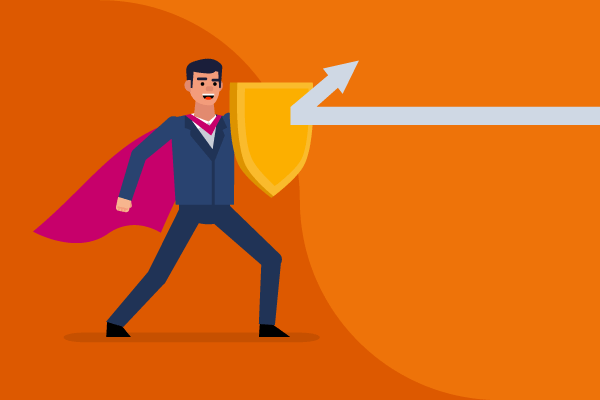
Why Protection Matters
Protection is the practice of reducing harm and safeguarding the people, places, and resources we value. It can mean keeping a child safe, preserving a natural habitat, protecting personal information, or defending someone’s rights. Though the details vary, the goal is the same: to help people and communities live with greater security, dignity, and confidence.
Protecting People
People are better able to learn, work, and thrive when they feel safe. Families, schools, workplaces, and communities all have a role to play in preventing harm. Clear rules, respectful communication, access to support, and early responses to warning signs can help create safer environments. Protection also means listening to people who may be at risk and treating them with care and respect.
Protecting the Environment
Healthy ecosystems provide clean air, fresh water, food, and habitats for wildlife. Protecting the environment includes conserving natural areas, reducing waste, using resources responsibly, and addressing pollution. Individual choices can help, but lasting progress also depends on cooperation among communities, businesses, and governments.
Protecting Privacy and Information
In a connected world, personal information needs careful handling. Strong, unique passwords, multifactor authentication, software updates, and caution with unexpected links can reduce the risk of online fraud and account theft. Organizations also have a responsibility to collect only the information they need, store it securely, and explain how it will be used.
Protection Starts with Awareness
Effective protection begins with understanding what could cause harm and who may be most affected. Practical plans, reliable information, and open conversations help people prepare before problems arise. When risks do occur, timely support and accountability can limit the damage and help prevent similar incidents in the future.
Protection is not a one-time action. It is an ongoing commitment to care, responsibility, and prevention. By looking out for one another and making thoughtful choices, individuals and communities can help create a safer and more resilient future.
6 Essential Tips to Protect Yourself, Your Devices, and Your Valuables
- Use strong, unique passwords.
- Turn on two-factor authentication.
- Keep your devices updated.
- Wear protective gear when needed.
- Store valuables in a secure place.
- Back up important files regularly.
Use strong, unique passwords.
Use strong, unique passwords to help protect your online accounts from unauthorized access. Create a different password for each account, and make it long and difficult to guess by combining unrelated words, numbers, and symbols. A reputable password manager can generate and securely store passwords, so you don’t have to remember them all. For added protection, turn on multifactor authentication whenever it’s available.
Turn on two-factor authentication.
Turn on two-factor authentication (2FA) to add an extra layer of protection to your online accounts. After entering your password, you’ll also need to confirm your identity with a second method, such as an authentication app, security key, or one-time code. This can help keep someone out even if your password is stolen. Whenever possible, choose an authentication app or security key instead of text messages, and save backup codes somewhere secure.
Keep your devices updated.
Keep your devices updated to help protect them from security threats. Updates often include fixes for weaknesses that hackers could exploit, along with improvements that help your phone, computer, or tablet run reliably. Turn on automatic updates when available, and install updates for your operating system, apps, and security software as soon as you can.
Wear protective gear when needed.
Wear protective gear whenever a task or activity could expose you to injury or harmful substances. Choose equipment designed for the specific risk, such as a helmet, safety glasses, gloves, ear protection, or a respirator, and make sure it fits properly and is in good condition. Follow the manufacturer’s instructions and workplace or activity guidelines, and replace damaged or worn gear. The right protection can help prevent serious injuries and keep you safer.
Store valuables in a secure place.
Store valuables in a secure place to help prevent loss, theft, or damage. Keep important documents, jewelry, cash, and small electronics in a locked safe or cabinet, and choose a location that is not easily visible or accessible to visitors. For items you rarely use, consider secure off-site storage, and keep an inventory of valuable belongings in case they need to be reported or replaced.
Back up important files regularly.
Back up important files regularly to protect them from accidental deletion, device failure, theft, or malware. Save copies in a secure cloud service or on an external drive, and consider keeping backups in more than one place. Set a recurring schedule so the process happens automatically, and occasionally check that your files can be restored. A reliable backup can save time, reduce stress, and help ensure that important documents, photos, and work remain accessible when you need them.